
How To Do Curtain Bangs?
Understanding how to do curtain bangs has become a popular focus in modern hairstyling. The guide offers a complete walkthrough that clearly explains the process. It covers the essential tools, proper sectioning techniques, how to cut at the correct angle, and effective blow-drying and styling methods.
You will also learn about suitable face shapes, maintenance tips, and common mistakes to avoid. Whether you are trimming at home or refreshing your look, knowing how to do curtain bangs can help you achieve a soft and trendy hairstyle with confidence and ease.
| Basics | Summary |
| Tools | Scissors, comb, clips, spray, round brush |
| Setup | Bright mirror area |
| Sectioning | Triangle shape at the front |
| Clip Hair | Pin back the remaining sections. |
| Parting | Keep both sides even. |
| Cutting | Damp hair, angled cut |
| Shape | Shorter middle, longer sides |
| No Blunt Cuts | Avoid straight lines |
| Blow Dry | Curl outward with a round brush. |
| Styling | Use cream or straightener. |
| Final Shape | Soft, parted fringe |
| Trim Schedule | Every 3–4 weeks |
| Daily Care | Brush, blow-dry regularly |
| Best Faces | Oval, round, heart, long |
| Trend Factor | Low-maintenance and stylish |
| Mistakes | Overcutting, dull tools, bad angles |
How To Do Curtain Bangs? A Follow-Up Process
Step 1: Get the Right Tools Ready

Before learning how to do curtain bangs, gather everything you need. Use sharp hair-cutting scissors, a fine-tooth comb, sectioning clips, a spray bottle, and a round brush. These tools help ensure a neat, precise cut and smoother styling. Always work in a well-lit area with a mirror. Having the proper setup is essential for making the process easier, whether you’re trimming bangs yourself or guiding someone else step-by-step.
Step 2: Section Your Hair Properly
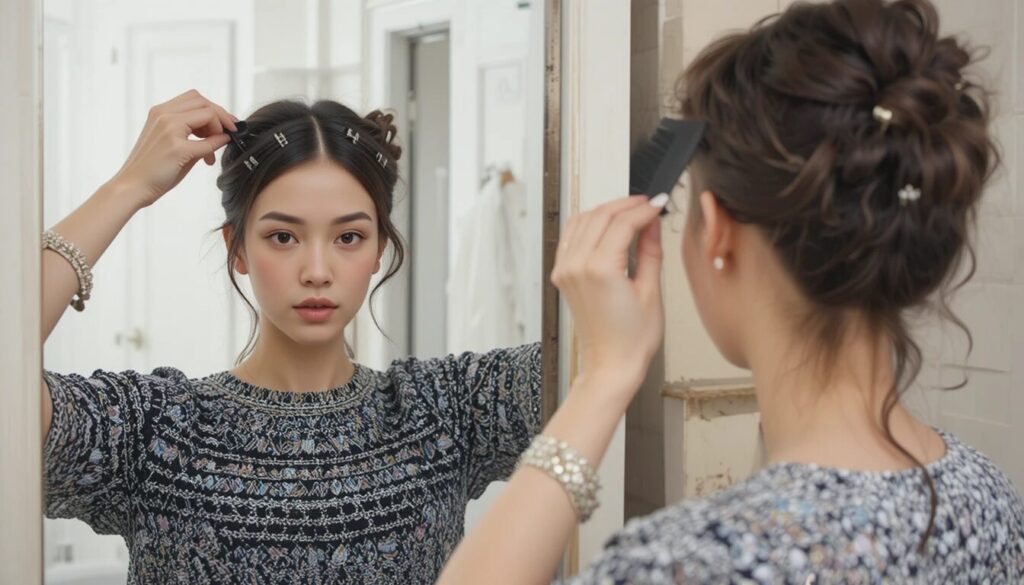
A key part of curtain bangs is sectioning. Start by creating a triangle section from the center of your hairline down to your eyebrows. Clip the rest of your hair back to avoid interference. Ensure the section is even on both sides. Proper parting creates balanced bangs and helps achieve that soft, parted look. Taking your time here leads to a more professional and flattering result in the end.
Step 3: Cut Slowly and Carefully
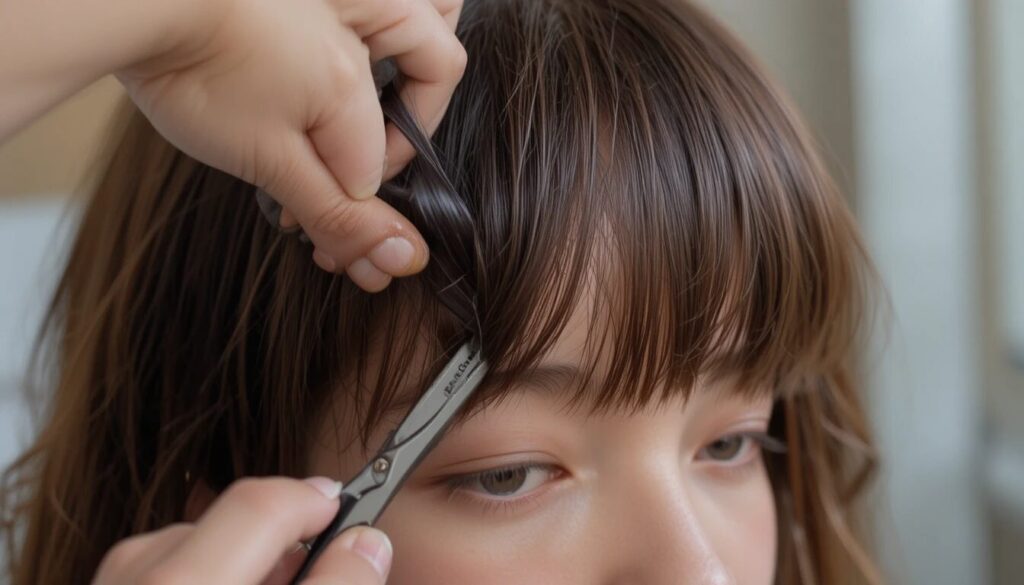
The most crucial step in how to do curtain bangs is cutting carefully. Dampen the sectioned hair and hold it between your fingers at a slight angle. Trim little by little, aiming for shorter lengths near the center and gradually longer at the sides. Don’t cut straight across. Curtain bangs are meant to be soft and face-framing, not blunt. Always check both sides for symmetry before making additional trims.
Step 4: Blow Dry and Style into Shape
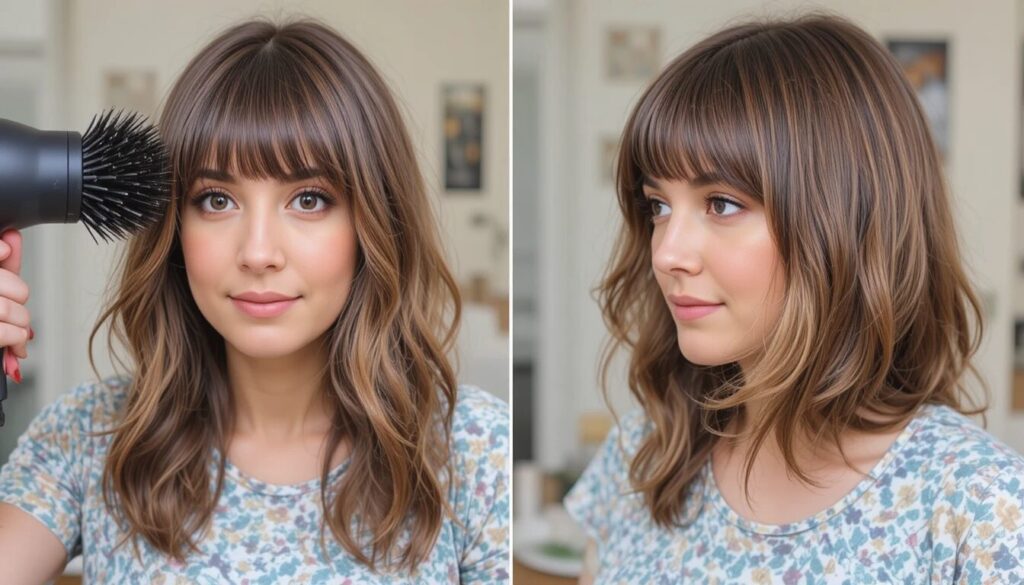
Styling is where you see the magic of doing curtain bangs come to life. Use a round brush and a blow dryer to curl the bangs away from your face while lifting at the roots. This creates the signature parted swoop. You can also use a straightener or styling cream for added control. Proper blow-drying gives them that effortless, curtain-like effect, ensuring they fall naturally and complement your face.
Step 5: Maintain Regularly for Best Results

After mastering how to do curtain bangs, maintenance becomes essential. Trim your bangs every 3–4 weeks to keep their shape. Use lightweight styling products to avoid buildup and keep them fresh. Regular blow-drying helps them maintain volume and part naturally. Also, brushing them daily keeps the strands smooth and in place. With consistent care, your curtain bangs will continue to frame your face beautifully and stay in line with modern hair trends.
Why Bangs Are So Popular Right Now?
Curtain bangs are incredibly popular because they offer a soft, flattering shape that suits many face types and hair textures. Unlike other bang styles, this one creates a relaxed, effortless look that works for both casual and formal occasions. Learning how to do curtain bangs allows you to follow a major hair trend without committing to a complete transformation. Their ability to enhance natural features while staying low-maintenance makes them a favorite in modern hair fashion.
Best Face Shapes
While learning curtain bangs, it helps to know which face shapes they suit best. Curtain bangs are especially flattering on round, oval, and heart-shaped faces, where they help balance proportions and highlight cheekbones or eyes. They soften sharp jawlines and add dimension to long or narrow faces when styled correctly. Because they can be adjusted in length and angle, curtain bangs are among the most flexible and universally appealing hairstyle choices available.
Common Mistakes to Avoid
- When figuring out curtain bangs, it is essential to avoid common mistakes.
- Cutting too much hair too quickly or trimming without proper sectioning can lead to uneven and unflattering results.
- Another frequent error is skipping the angled shape, which gives curtain bangs their signature flow.
- Using dull scissors instead of professional cutting shears can also cause split ends.
- Patience and precision are key to getting a salon-quality look at home.
Conclusion
Mastering how to do curtain bangs offers a stylish and versatile way to change your look without significant commitment. With the right tools and careful cutting, you can achieve a soft, face-framing design that suits many face shapes. Regular maintenance and proper styling keep the bangs fresh and trendy. Avoiding common mistakes ensures a professional finish. Overall, curtain bangs remain a popular choice for those seeking a low-maintenance yet fashionable hairstyle that enhances natural features beautifully.
If you want to read an interesting article about it, explore our Fashion category.
FAQs
You need sharp scissors, a fine-tooth comb, sectioning clips, a spray bottle, and a round brush to cut and style curtain bangs correctly.
Curtain bangs should be trimmed every three to four weeks to maintain their shape and prevent them from becoming too long or uneven.
Curtain bangs work well with oval, round, heart-shaped, and longer faces because they soften features and balance proportions effectively.
Avoid cutting too much at once, uneven sectioning, straight, blunt cuts, and using dull scissors to ensure a balanced and flattering finish.