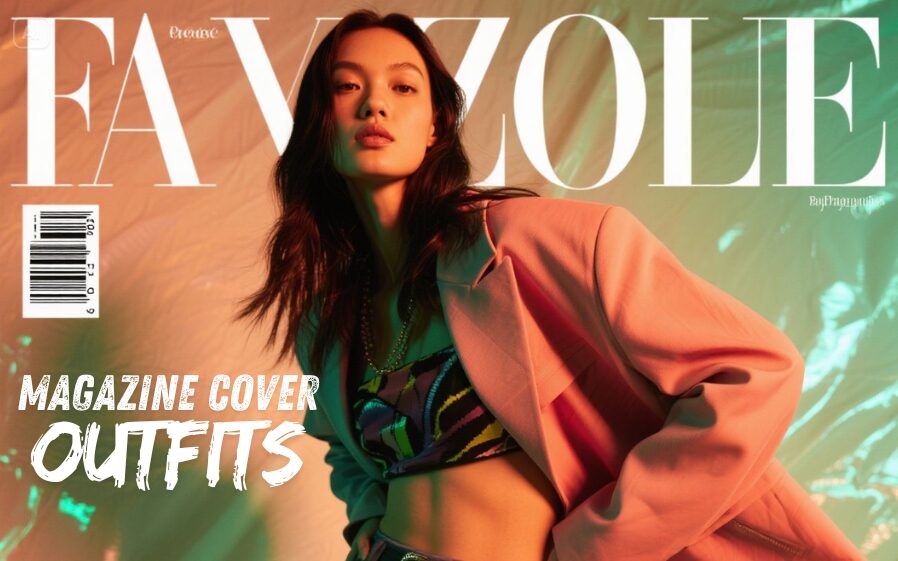
Magazine Cover Outfit
The evolution of Magazine Cover Outfit trends reflects the ever-changing relationship between fashion, culture, and media. From illustrated covers in the 19th century to high-definition photography and digital innovations today, magazine covers have long served as cultural mirrors of beauty, creativity, and social progress. Over the decades, they have showcased not only clothing but also identity, empowerment, and inclusivity.
The collaboration between stylists, designers, and creative directors has elevated magazine cover fashion into an art form—one that continues to adapt to technology, sustainability, and shifting audience expectations. As fashion and media merge in new ways, the magazine cover outfit remains a timeless symbol of elegance, influence, and individuality.
| Category | Highlights | Concise Description |
| Magazine Cover Outfit | Illustrated Covers | Early covers featured artistic drawings showcasing fashion and social ideals. |
| 1920s Modernization | Flapper Culture & Liberation | Fashion reflected confidence and the spirit of the Jazz Age. |
| 1960s–1970s Revolution | Social & Cultural Change | Covers blended fashion with music, politics, and youth identity. |
| 1980s–1990s Era | Rise of Supermodels | Magazine covers turned models into global icons and trendsetters. |
| 21st Century Shift | Digital & Diverse Representation | Social media reshaped how fashion and identity are portrayed. |
| Role of Stylists | Creative Collaboration | Stylists craft cohesive, visionary looks that define magazine aesthetics. |
| Influence of Designers | Iconic Collaborations | Designers use covers to display signature styles and brand innovation. |
| Accessibility in Fashion | Inclusivity & Realism | Modern covers embrace diversity, affordability, and relatable fashion. |
| Future Outlook | Sustainability & Technology | AR, eco-fashion, and inclusivity define the future of magazine covers. |
| Conclusion | Art Meets Identity | Magazine cover outfits remain cultural symbols of creativity and evolution. |
The Evolution of Magazine Cover Fashion
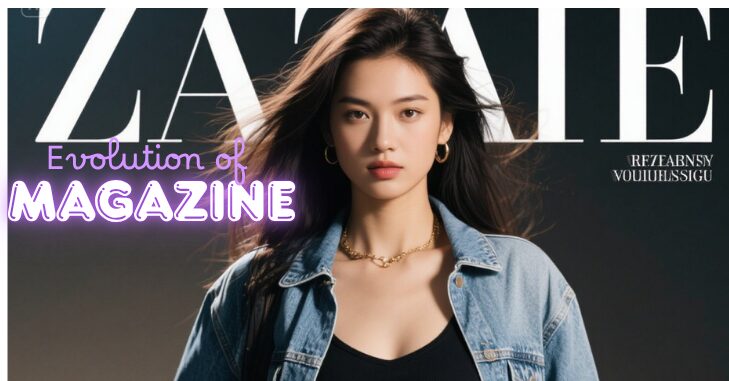
The Origins of Magazine Covers: Art and Illustration
The history of magazine covers dates back to the late 19th century, when publications like Harper’s Bazaar and Vogue began to emerge. Initially, covers featured illustrations rather than photographs, often showcasing elaborate designs and fashionable attire.
These illustrations served as a canvas for artists to express their creativity, while simultaneously reflecting the societal norms and aspirations of the era. As photography became more sophisticated, magazines began to incorporate photographic covers, marking a significant turning point in how fashion was represented.
The 1920s: Liberation and the Rise of Modern Fashion Imagery
During the 1920s, the rise of the flapper culture and the Jazz Age brought a wave of change to fashion covers. Magazines showcased the rise of modern women, celebrating liberation through fashion.
The images depicted not only the clothing but also the spirit of the times, with models exuding confidence and vibrancy. This era set the stage for future magazine covers to become more than mere representations of clothing; they transformed into visual narratives that captured the zeitgeist.
The 1960s and 1970s: Fashion Meets Social Revolution
The 1960s and 1970s brought a further evolution in magazine cover fashion. This period was characterized by a blend of political movements, social change, and the rise of counterculture.
Magazines like Rolling Stone and Life began to feature not just fashion but also influential figures in music, art, and politics, further blurring the lines between fashion and identity. The covers reflected a more inclusive and diverse representation of beauty, showcasing a range of styles that resonated with the young and the rebellious.
The 1980s and 1990s: The Era of the Supermodel
As the decades progressed, the fashion industry became increasingly commercialized. The 1980s and 1990s saw the rise of supermodels, with magazines capitalizing on their fame to sell not just fashion but a lifestyle. Covers began to feature prominent figures like Naomi Campbell, Cindy Crawford, and Kate Moss, turning models into household names. The allure of celebrity culture became intertwined with fashion, and magazine covers became a battleground for brand competition and visibility.
The 21st Century: Digital Influence and Diversity
In the 21st century, the landscape of magazine covers has continued to evolve. The advent of social media and digital platforms has transformed how fashion is consumed and represented. Magazines now face the challenge of maintaining relevance in an age of instant gratification, where trends change rapidly and accessibility is paramount. This shift has led to a more democratized approach to fashion, with magazines featuring a diverse range of models, styles, and narratives that reflect the multifaceted nature of contemporary society.
The Role of Stylists in Magazine Cover Fashion
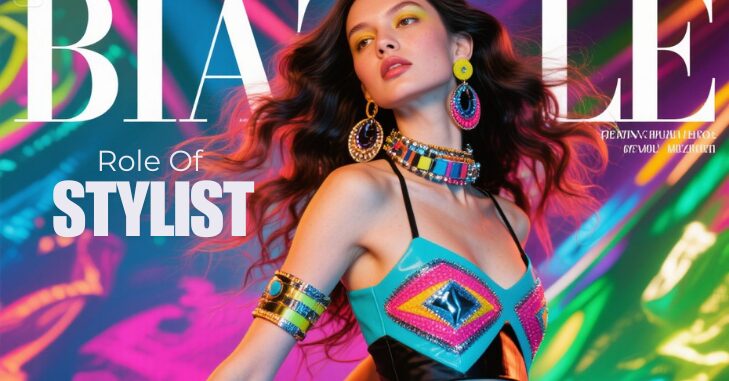
Stylists play a pivotal role in shaping the visual narrative of magazine covers. They are responsible for curating outfits, accessories, and overall aesthetics that align with the magazine’s brand and the themes of the issue. The stylist’s vision is crucial in determining how a cover will resonate with the audience, and their creative input can elevate a cover from ordinary to iconic.
The process begins with extensive collaboration between the stylist, photographer, and creative director. Together, they conceptualize the overall look and feel of the cover, considering factors such as color palettes, themes, and even the emotional tone they want to convey. Stylists often draw inspiration from current trends, historical references, and the personalities of the models or celebrities featured. This multifaceted approach allows for the creation of visually compelling covers that capture attention and provoke thought.
Moreover, stylists must also understand the practical aspects of their role. They need to work within budgets and timelines while ensuring that the final product aligns with the magazine’s vision. This balancing act requires not only creativity but also organizational skills and the ability to adapt to unforeseen challenges. For instance, a last-minute change in a model’s outfit or an unexpected weather condition during a photoshoot can require quick thinking and resourcefulness.
In recent years, the role of the stylist has expanded beyond traditional boundaries. Many stylists now leverage social media platforms to showcase their work, building personal brands and following. This shift has allowed them to connect more intimately with audiences, offering insights into their creative processes and the stories behind the covers. As a result, stylists have become influential figures in the fashion industry, shaping trends and setting standards for how fashion is presented.
The Influence of Designers on Magazine Covers
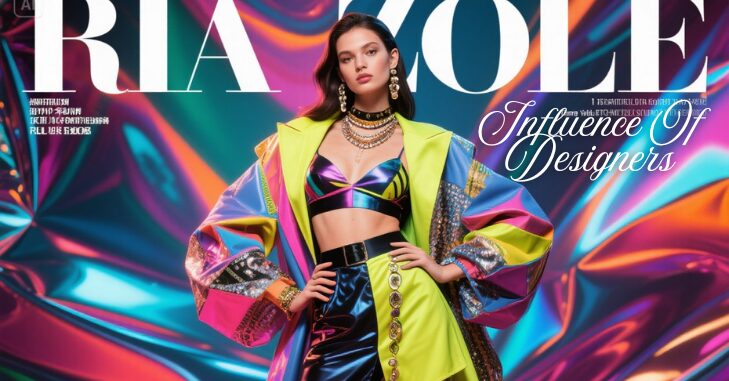
Designers are equally crucial in the creation of magazine cover fashion. They provide the garments and accessories that stylists curate into visually appealing outfits. The relationship between designers and magazines is symbiotic; while designers seek exposure for their collections, magazines rely on fresh designs to captivate readers. This collaboration often leads to innovative and groundbreaking fashion statements.
Many designers use magazine covers as a platform to showcase their latest collections, often creating bespoke pieces specifically for a cover shoot. This not only elevates the fashion narrative but also solidifies the designer’s status within the industry.
Iconic covers have often featured groundbreaking designs that have become synonymous with the brand itself. For instance, the legendary 1991 cover of Vogue featuring a then-unknown model named Naomi Campbell, styled in a striking red dress by Gianni Versace, remains etched in fashion history.
Moreover, designers often collaborate with magazines to push boundaries and create art that transcends mere fashion. The partnership allows for creative freedom, enabling designers to experiment with styles and concepts that may not have been possible in a commercial setting. This collaboration often results in covers that challenge societal norms, provoke discussion, and inspire future trends.
As the fashion landscape continues to evolve, designers have also adapted to the changing environment. Many now prioritize sustainability and ethical practices, leading to a new wave of eco-conscious fashion. Magazines are increasingly featuring designers who champion these values, reflecting a broader cultural shift toward responsible consumption and awareness.
Balancing Fashion with Accessibility
One of the ongoing challenges in magazine cover fashion is balancing high fashion with accessibility. While magazines often feature luxurious designs and high-end brands, there is a growing demand for inclusivity and representation. Readers want to see styles that resonate with their realities, not just aspirational imagery that feels out of reach.
This shift has prompted many magazines to rethink their approach to fashion representation. The inclusion of diverse models, body types, and styles aims to create a more relatable and authentic connection with the audience. By featuring clothing that is accessible and reflects a variety of lifestyles, magazines can cultivate a sense of belonging and empowerment among readers.
Furthermore, the rise of social media has democratized fashion in unprecedented ways. Influencers and everyday individuals now have platforms to share their interpretations of fashion, often showcasing how they adapt high-fashion looks to suit their personal styles. This trend has pressured magazines to evolve and rethink how they present fashion to resonate with a wider audience.
Many magazines are now embracing a more inclusive approach, featuring clothing that caters to various budgets and styles. This shift not only reflects changing consumer demands but also acknowledges the importance of representation in the fashion narrative. By showcasing a diverse range of styles, magazines can inspire readers to explore their unique fashion identities without feeling constrained by traditional standards.
The Future of Magazine Cover Fashion
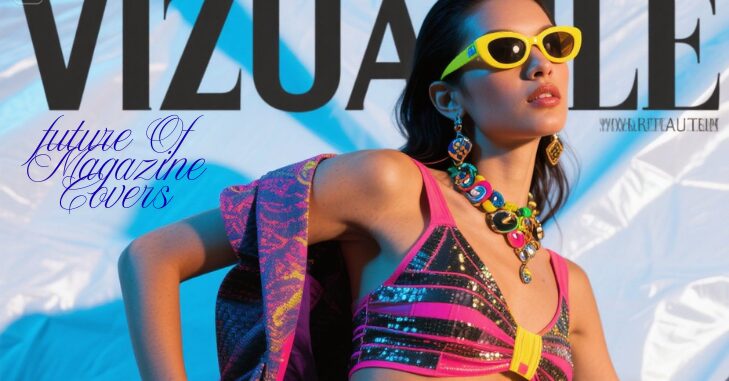
- The Future of Magazine Covers
- The fashion industry stands at a pivotal crossroads as digital innovation reshapes how fashion is presented and consumed.
- Traditional print media faces the challenge of adapting to a world dominated by online platforms, influencers, and the growing demand for authenticity.
- Sustainability and Ethical Fashion
- A major trend shaping the future is the increasing focus on sustainability and eco-friendly fashion. Consumers are becoming more conscious of their choices, favoring magazines that highlight ethical practices, durability, and wearability.
- This shift signals a move away from the fast-fashion mindset toward a more responsible and enduring aesthetic.
- Technological Innovations and Interactive Media
- Emerging technologies like augmented reality (AR) and interactive digital design are set to transform magazine cover experiences. Readers may soon engage with covers through immersive storytelling, creating deeper emotional and visual connections.
- These innovations will open up new possibilities for creative expression beyond traditional print formats.
- Balancing Creativity, Representation, and Accessibility
- The success of future magazine cover fashion will depend on finding an
- Magazines must continue to evolve alongside societal changes, embracing diversity in both representation and storytelling.
- By fostering inclusivity and innovation, magazine covers can remain a powerful reflection of contemporary fashion and identity.
Conclusion
The evolution of magazine cover fashion is a testament to the dynamic interplay between art, commerce, and culture. From illustrated covers to high-fashion photography, magazine covers have served as mirrors reflecting societal values and aspirations. The roles of stylists and designers are central to this narrative, shaping the visual language of fashion while adapting to changing consumer demands.
As the industry navigates the complexities of representation, sustainability, and digital innovation, the future of magazine covers is full of potential. Embracing diversity, inclusivity, and authenticity will be crucial in shaping the next chapter of magazine cover fashion. Ultimately, these covers will continue to be more than just images; they will serve as powerful expressions of identity, creativity, and the ever-evolving nature of style.
If you want to read an interesting article about it, explore our Digital Marketing category.
FAQs
A standout magazine cover outfit combines creativity, confidence, and visual impact. It should reflect the personality of the person wearing it while aligning with the magazine’s theme and aesthetic.
Typically, a team of stylists, fashion editors, and the magazine’s creative director collaborate to choose the perfect look that complements the issue’s concept and the celebrity’s image.
Styling is crucial—it tells a story, sets the tone, and enhances the visual appeal. A great stylist ensures the outfit complements both the theme and the personality of the cover star.