
Burping, also known as belching, is a common and natural bodily function that helps release excess air from the stomach. Most people experience occasional burping after meals or drinks, especially after carbonated beverages or large meals. While this is usually harmless, some individuals notice frequent or excessive burping, which may raise concerns about underlying health issues.
Is burping a lot a sign of cancer? One question many people ask is whether persistent burping could be a sign of something more serious, such as cancer. Understanding the common causes, associated symptoms, and when to seek medical advice can help distinguish normal digestive responses from signs of a potential health problem. Elsewhere on the site, we look at Best Free ai Image Editors Online no Sign up.
| Topic | Details |
| What Is Burping? | Burping occurs when trapped air or gas in the stomach is expelled through the mouth. Common triggers include eating too quickly, drinking carbonated beverages, chewing gum, smoking, or using a straw. |
| Common Causes of Frequent Burping | Linked to lifestyle habits or minor digestive issues. Causes include eating too fast, swallowing air, drinking fizzy drinks, acid reflux (GERD), and food intolerances. |
| Swallowing Excess Air | Aerophagia occurs when too much air is swallowed, often from talking while eating, chewing gum, or drinking through a straw, which can lead to frequent burping. |
| Carbonated Drinks | Soda, sparkling water, and fizzy drinks release carbon dioxide in the stomach, causing gas buildup and more frequent belching. |
| Acid Reflux | GERD causes stomach acid to flow back into the esophagus, resulting in heartburn, chest discomfort, and burping. |
| Food Intolerances | Difficulty digesting foods like dairy or high-fiber items can produce excess gas, leading to bloating and belching. |
| Can Burping Be a Sign of Cancer? | Rarely. Persistent burping with symptoms like difficulty swallowing, unexplained weight loss, nausea, loss of appetite, or stomach pain may indicate stomach or esophageal cancer. |
| Other Warning Symptoms | Severe abdominal pain, frequent vomiting, blood in vomit or stool, unexplained weight loss, difficulty swallowing, or persistent fatigue. |
| Conditions That Cause Excessive Burping | Non-cancerous conditions include Gastritis, Irritable Bowel Syndrome (IBS), Peptic Ulcer Disease, and Hiatal Hernia. |
| How to Reduce Burping | Eat slowly, chew thoroughly, avoid carbonated drinks and gum, reduce fatty/spicy foods, avoid overeating, quit smoking, and manage stress. |
| When to See a Doctor | Persistent, severe, or long-lasting burping, especially with other digestive symptoms or interference in daily life. Doctors may perform endoscopy, imaging scans, or blood tests. |
| Diagnosis & Medical Tests | Tests may include upper endoscopy, imaging scans, blood tests, stool analysis, and acid reflux testing to identify underlying causes. |
| Treatment Options | Depends on the cause: medications to reduce stomach acid, dietary adjustments, treatment for digestive disorders, and lifestyle modifications. |
What Is Burping a Lot a Sign of Cancer?
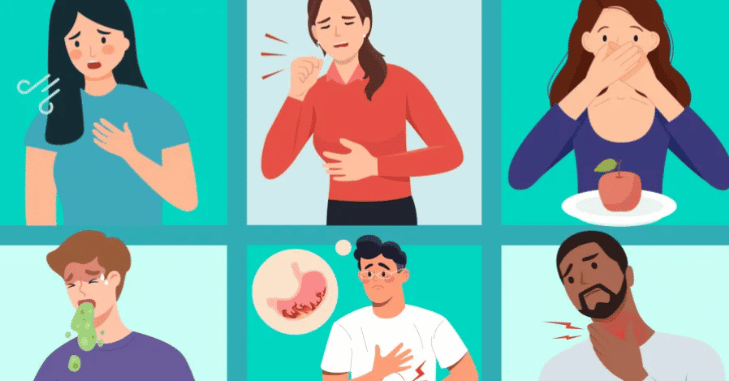
Burping is a natural process that helps the body release excess gas from the digestive system. When air is swallowed while eating, drinking, or talking, it can accumulate in the stomach, creating pressure. To relieve this pressure, the stomach pushes the trapped air upward through the esophagus and out of the mouth. Is burping a lot a sign of cancer? This reaction helps prevent bloating and discomfort after meals. Although occasional burping is normal, frequent burping may sometimes indicate digestive issues or dietary habits that cause excess gas buildup.
- Eating too quickly
- Drinking carbonated beverages
- Swallowing air while chewing gum
- Smoking
- Drinking through a straw
Common Causes of Frequent Burping
Frequent burping is often linked to everyday habits and minor digestive problems rather than serious medical conditions. Eating too quickly, drinking carbonated beverages, or swallowing excess air can easily lead to repeated belching. Certain digestive issues, such as Gastroesophageal Reflux Disease, may also increase gas buildup in the stomach. In most cases, identifying dietary triggers and improving eating habits can significantly reduce frequent burping.
Swallowing Excess Air
Swallowing excess air, also known as aerophagia, is a common reason for frequent burping. When people eat or drink too quickly, large amounts of air can enter the stomach along with food or beverages. Habits such as talking while eating, chewing gum, or drinking through a straw may also increase the amount of swallowed air.
Carbonated Drinks

Carbonated drinks naturally contain carbon dioxide gas, which forms bubbles inside the beverage. When these drinks are consumed, the gas enters the stomach along with the liquid. As the gas builds up, the body releases it through burping to relieve pressure in the digestive system. Drinking large amounts of fizzy beverages can therefore lead to more frequent belching and mild stomach bloating.
Acid Reflux
One common digestive condition associated with burping is Gastroesophageal Reflux Disease. This condition occurs when stomach acid flows back into the esophagus, causing symptoms such as heartburn, chest discomfort, and frequent burping.
Food Intolerances
Food intolerances can also contribute to frequent burping and gas buildup in the digestive system. When the body has difficulty digesting certain foods, such as dairy products or high-fiber items, extra gas may be produced during digestion. This gas accumulates in the stomach and intestines, leading to bloating and belching.
Can Frequent Burping Be a Sign of Cancer?
Frequent burping alone is rarely a sign of cancer and is usually related to common digestive issues or eating habits. However, if burping persists for an extended period and occurs alongside other unusual symptoms, it may require medical attention. Is burping a lot a sign of cancer? In some cases, digestive system cancers such as Stomach Cancer or Esophageal Cancer can cause symptoms like persistent burping, difficulty swallowing, unexplained weight loss, nausea, loss of appetite, and stomach discomfort.
Other Symptoms That May Indicate a Serious Problem
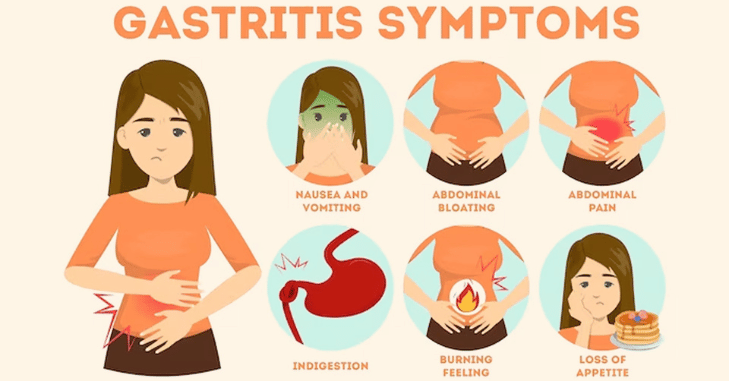
Burping alone rarely indicates a serious illness. However, if it occurs alongside other symptoms, it may require a medical evaluation.
Warning signs include:
- Severe or persistent abdominal pain
- Vomiting frequently
- Blood in vomit or stool
- Difficulty swallowing food
- Sudden unexplained weight loss
- Persistent fatigu.
Conditions That Can Cause Excessive Burping
Several medical conditions can contribute to excessive burping even when cancer is not present. Digestive disorders such as Gastritis may irritate the stomach lining and increase gas formation during digestion. Conditions like Irritable Bowel Syndrome can also affect how the digestive system processes food, often leading to bloating and belching.In addition, problems such as Peptic Ulcer Disease or Hiatal Hernia may disrupt normal digestion and cause gas to build up in the stomach.
How to Reduce Excessive Burping?
Excessive burping can often be managed by making simple lifestyle and dietary changes. By paying attention to eating habits and avoiding common triggers, you can significantly reduce gas buildup and discomfort. Some effective strategies include:
- Eating slowly and chewing food thoroughly
- Avoiding carbonated drinks and limiting chewing gum
- Reducing fatty or spicy foods and avoiding overeating
- Quitting smoking and managing stress levels
When to See a Doctor?

You should consider seeing a doctor if burping becomes persistent or severe, or if it lasts for several weeks without improvement. It is especially important to seek medical advice if excessive burping occurs alongside other digestive symptoms, such as nausea, stomach pain, or difficulty swallowing. Burping that interferes with daily activities or causes significant discomfort also warrants professional evaluation.
Healthcare providers can perform tests such as endoscopy, imaging scans, or blood tests to determine the underlying cause. Early consultation helps rule out serious conditions and ensures proper treatment. Taking prompt action can provide relief and prevent potential complications.
Diagnosis and Medical Tests
- Upper endoscopy
- Imaging scans
- Blood tests
- Stool analysis
- Acid reflux testing
Treatment Option

Treatment depends on the underlying cause of burping. Common treatments include:
- Medications to reduce stomach acid
- Dietary changes
- Treatment for digestive disorders
- Lifestyle modification
Conclusion
In most cases, frequent burping is a normal digestive process caused by eating habits, diet, or mild digestive disorders, and it is rarely a sign of cancer. However, persistent or severe burping combined with symptoms like unexplained weight loss, difficulty swallowing, or ongoing stomach discomfort should not be ignored. Is burping a lot a sign of cancer? Consulting a healthcare professional can help identify the root cause and ensure proper treatment if needed. Simple lifestyle changes, such as eating slowly, avoiding carbonated drinks, managing stress, and monitoring food triggers, can significantly reduce burping and improve overall digestive health.
If you want to read an interesting article about it, explore our Health category.
FAQs
By encouraging more swallowing, acid reflux or gastroesophageal reflux disease (GERD) can occasionally result in excessive belching. Inflammation of the stomach lining or an infection with Helicobacter pylori, the bacteria that cause some stomach ulcers, may also be linked to belching.
In rare instances, excessive or persistent burping or belching may be a sign of esophageal or stomach malignancies. Find out when you should think about visiting a doctor.
According to pathological staging, stage 1 stomach cancer indicates that the disease has spread to the stomach’s inner, supporting, or muscular layer. One or two neighboring lymph nodes may have been affected.
It’s crucial to realize that although burping may be associated with cardiac problems, this isn’t always the case. Here are some things to keep in mind: Angina Pectoris: If the heart isn’t receiving enough blood, burping may be an indication.