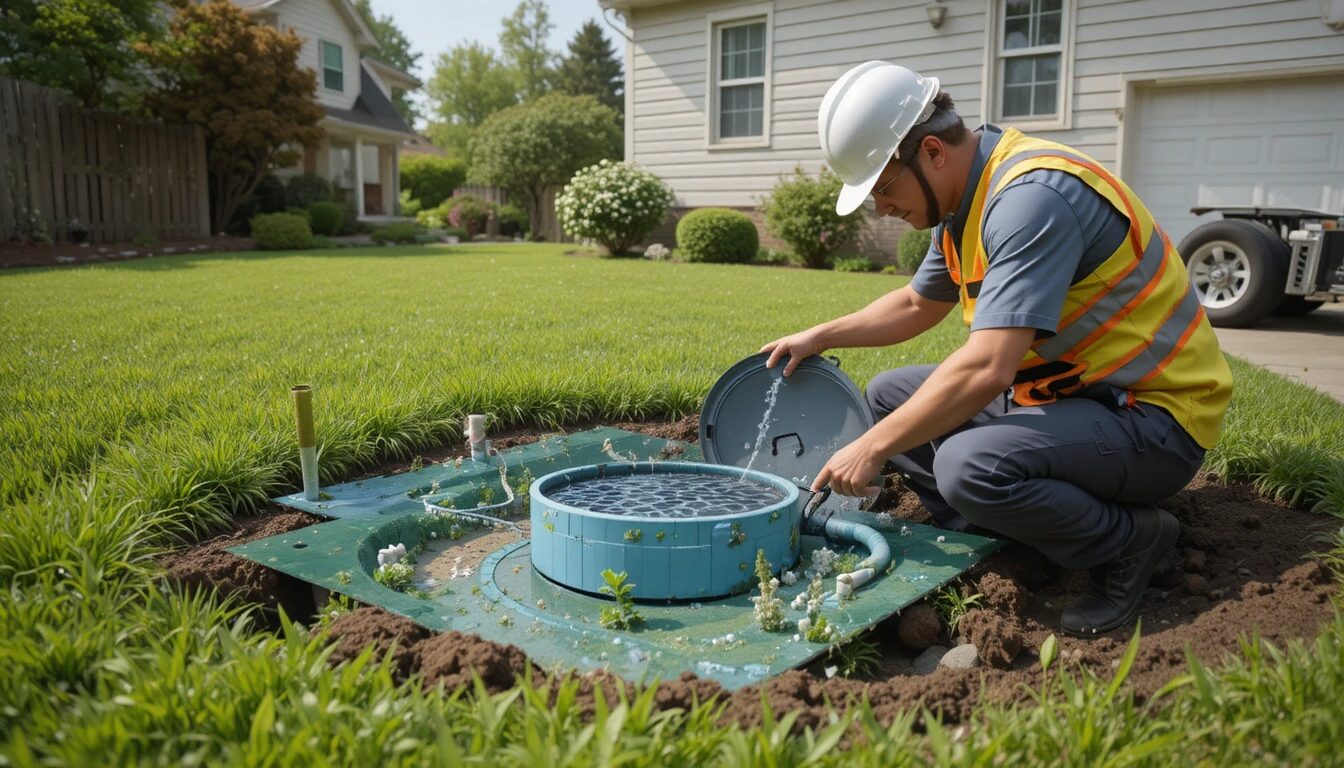
Septic system cost is a significant consideration for homeowners planning wastewater management, as it impacts both installation and long-term expenses. Basic anaerobic systems cost $3,000–$8,000, while advanced aerobic treatment units (ATUs) range $10,000–$20,000, and engineered systems like mound or sand filters may exceed $20,000 depending on soil and layout.
Tank sizes and materials also influence costs, with small tanks around $720–$1,200 and large tanks $1,300–$2,500. Additional expenses include leach fields, labor, permits, and maintenance. Proper planning ensures durability, compliance, and efficiency, helping homeowners accurately estimate total septic system cost.
| Basics | Details | Cost (USD) |
| Conventional System | Standard anaerobic for typical lots | $3,000–$8,000 |
| Aerobic Treatment Unit (ATU) | High-efficiency wastewater treatment | $10,000–$20,000 |
| Engineered Systems | Mound, sand filter, or alternative | $7,000–$20,000 |
| Tank Sizes | 750–1,500 gallons, various materials | $720–$2,500 |
| Tank Materials | Concrete, fiberglass, or plastic | $500–$2,000 |
| Installation & Labor | Excavation, site prep, professional work | $1,500–$5,000 |
| Leach/Drain Field | Standard or advanced (mound/pressure) | $5,000–$20,000 |
| Permits & Testing | Soil tests, permits, and inspections | $650–$4,500 |
| Maintenance & Pumping | Regular servicing, minor repairs | $300–$1,500 per visit |
| Replacement & Upgrades | Full system replacement or advanced units | $7,000–$60,000 |
Types of Septic System Cost
The septic system cost depends on the type chosen for your property. Conventional anaerobic systems usually cost between $3,000 and $8,000 and are suitable for standard lots. Advanced aerobic treatment units (ATUs) can cost $10,000 to $20,000 and offer higher efficiency. Engineered alternatives like mound or sand filter systems may exceed $7,000 to $20,000, depending on soil quality, layout complexity, and installation requirements.
Tank Size, Material, and Price Breakdown
Tank capacity and material directly affect the septic cost. A 750-gallon tank typically costs $720–$1,200; a 1,000-gallon unit runs $800–$2,000; and larger 1,500-gallon tanks cost $1,300–$2,500. Materials also vary: concrete tanks cost $700–$2,000, fiberglass $1,200–$2,000, and plastic tanks $500–$2,000. Choosing the right size and material ensures durability while balancing installation expenses.
Installation and Labor Charges
Professional installation makes up a large portion of the septic cost. Labor, excavation, and site preparation typically run at an average of $160 per hour, though rates vary by region. Rugged terrains, deep installations, or removal of old systems can add $1,500 to $5,000. Proper professional installation is crucial to prevent leaks, backups, and early failures, making upfront costs an essential investment for long-term reliability.
Drain Field and Leach Field Expenses
The drain or leach field significantly influences the septic system cost. Standard anaerobic leach fields typically cost around $5,000, while mound, drip, or pressure distribution systems range between $10,000 and $20,000. Soil type, lot size, and topography affect installation expenses. Designing an efficient leach field ensures proper wastewater absorption, system longevity, and regulatory compliance, making it an essential investment for a functional septic system.
Permits, Soil Tests, and Engineering Fees
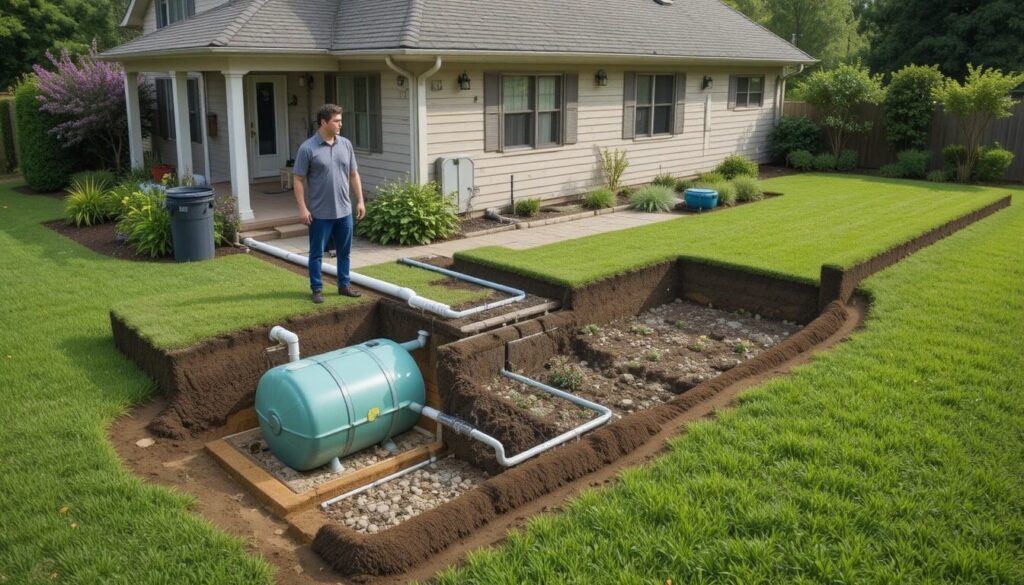
Regulatory compliance adds to the septic cost. Soil percolation (perc) tests typically cost $250–$2,000, depending on property conditions. Permits and inspections add $400–$2,500, while engineering, site surveys, or complex designs can further increase expenses. These steps ensure the system meets local environmental standards. Homeowners must include these fees in their budget to avoid fines and ensure their septic system operates safely and efficiently.
Maintenance, Pumping, and Repair Costs
Ongoing maintenance influences long-term septic cost. Pumping is required every 3–5 years, averaging $300–$600 per visit. Minor repairs, such as replacing filters, baffles, or alarms, can range from $100 to $1,500. Routine inspections and careful water use help prevent expensive failures. Investing in consistent maintenance ensures system efficiency, reduces emergency costs, and extends overall lifespan, making it an essential part of responsible septic system ownership.
Replacement and Upgrade Costs
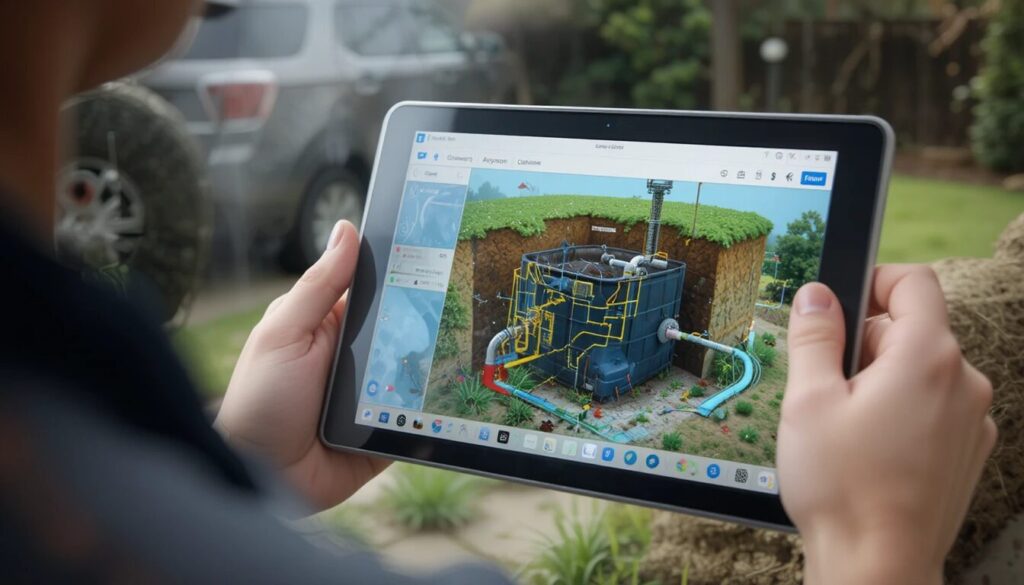
- Replacing or upgrading a failing system dramatically affects septic system cost.
- Standard replacements typically run $7,000–$15,000, but engineered systems on challenging terrains or poor soil can cost $20,000–$50,000.
- Advanced treatment units or environmentally sensitive systems can even exceed $50,000–$60,000.
- Monitoring system health and performing timely maintenance reduces the need for sudden replacements.
- Investing in high-quality components ensures long-term performance and regulatory compliance for safe wastewater management.
Financing and Vendor Options
Financing can make high costs more manageable. Many installers offer payment plans, and local programs provide low-interest loans or grants for environmentally friendly systems. Homeowners may use personal loans or home equity to cover the cost of installation. Selecting reputable companies ensures quality service and warranty protection. Proper planning and financing strategies allow homeowners to invest in durable septic systems without compromising safety, long-term efficiency, or regulatory compliance.
Design Variants and Model Examples
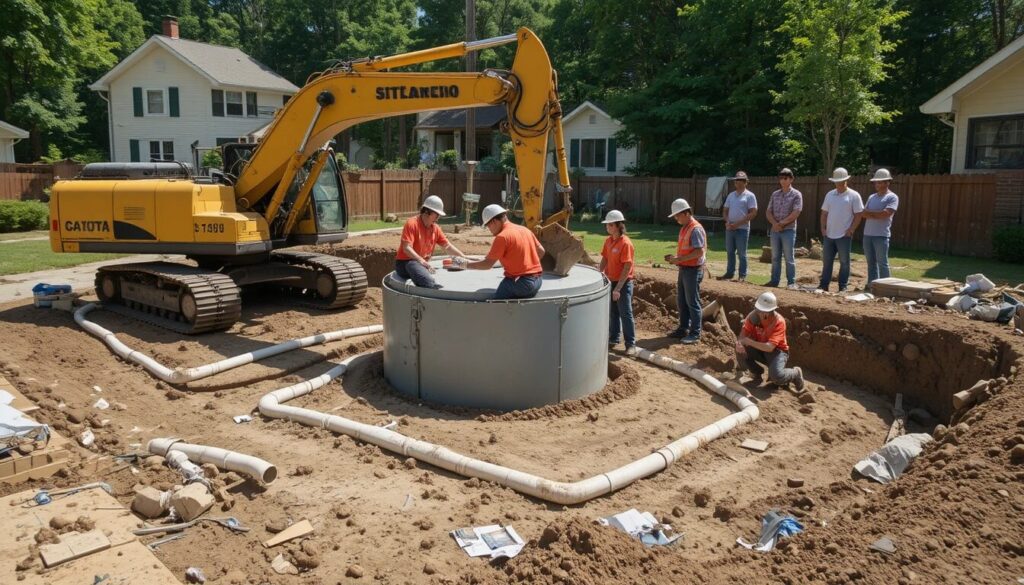
- Popular designs affect septic system cost and performance.
- Conventional gravity systems are affordable and straightforward, while chamber systems replace gravel with plastic chambers.
- Sand-filter and pressure distribution systems are suitable for high water tables.
- Mound systems raise wastewater over sandy beds, and aerobic treatment units (ATUs) use oxygen for thorough treatment.
- Each design has different installation costs, maintenance requirements, and regulatory approvals, allowing homeowners to select systems that match their property needs.
Conclusion
In summary, understanding septic system cost is essential for homeowners to plan installation, maintenance, and potential upgrades effectively. Costs vary from $3,000 for basic systems to over $50,000 for advanced engineered units, depending on size, materials, and design. Proper planning, quality installation, and regular maintenance ensure longevity, efficiency, and compliance, helping homeowners make informed decisions while responsibly managing septic system costs and securing a safe, reliable wastewater solution.
Want to know about Cost Of Exterminator for Mice: Full Pest Control Cost Guide for Roaches, Bed Bugs, Fleas, Ants, Rats & Bees Check out our Home Improvement category.
FAQs
Factors include system type, tank size, material, installation complexity, soil condition, drain-field design, permits, and long-term maintenance. Each element influences overall expenses and project planning.
Standard anaerobic systems generally range between $3,000 and $8,000, depending on tank size, site conditions, labor, and local permit requirements.
Yes, aerobic treatment units (ATUs) cost $10,000–$20,000 because they use advanced oxygen-based treatment for higher efficiency and stricter environmental compliance.
Labor, excavation, and site prep generally add $1,500–$5,000, depending on terrain difficulty, depth, and removal of old systems.