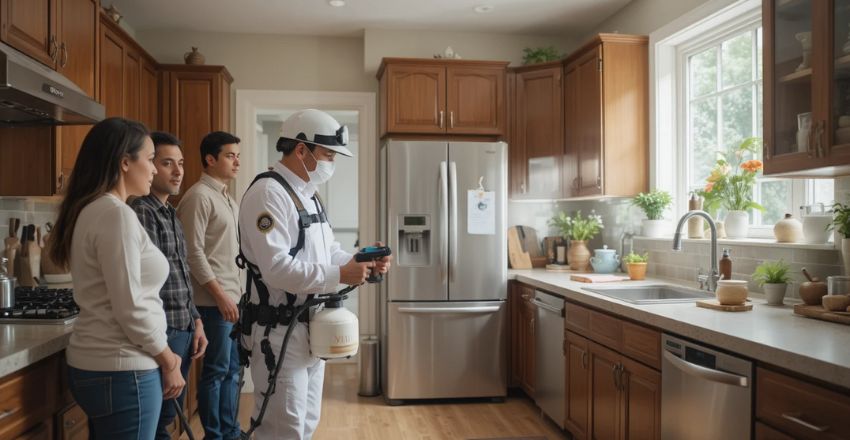
Knowing About How Much Does An Exterminator Cost?
Many homeowners often ask how much does an exterminator cost when facing pest problems at home. The guide notes average prices of $150 to $400 for standard pest removal, while severe cases like termites or bed bugs can cost $3,000. It discusses factors such as pest type, property size, inspection fees, and eco-friendly options. By showing comparisons between one-time and regular treatments, the article clearly explains how much does an exterminator cost and helps readers understand professional pest control expenses in simple terms.
| Basics | Summary |
| Average Cost | $150–$400 for standard pest removal. |
| Main Factors | Pest type, home size, and infestation level. |
| Ant/Spider | $100–$250 average cost. |
| Cockroach | $150–$300, depending on severity. |
| Termite | $500–$3,000 for complete treatment. |
| Bed Bugs | $800–$2,500, often a multi-visit process. |
| Rodents | $200–$600, includes sealing entry points. |
| One-Time Visit | $250–$600 total. |
| Routine Service | $40–$100 per scheduled visit. |
| Inspection Fee | $50–$150, sometimes credited later. |
| Property Size | Small $100–$200 · Large $500+. |
| Emergency Call | $200–$600, higher for after-hours. |
| Eco-Friendly | $200–$600, non-toxic materials. |
| Regional Impact | Urban areas generally cost more. |
| Climate Effect | Warm zones need more treatments. |
| Final Cost | Average total $150–$600; severe $1,000+. |
Average Cost of Hiring a Pest Control Expert
When pests invade, many homeowners ask how much does an exterminator cost. On average, the price ranges between $150 and $400 for general pest removal. Costs vary depending on pest type, property size, and infestation level. More severe problems often need repeated treatments, which can raise total expenses. Though professional help may seem pricey, it ensures long-term results and prevents further property damage caused by recurring infestations.
How Much Does An Exterminator Cost? Factors Influencing Pest Control Pricing

Several aspects affect pest control prices. The kind of pest being removed plays a significant role—eliminating ants or roaches usually costs less than removing termites or bed bugs. The infestation size, the treatment method, and the number of necessary visits all contribute to the total charge. Geographic location and company reputation can also influence rates, especially in cities with higher living costs and pest activity.
Cost Breakdown by Type of Pest
Different pests come with other expenses. Ant and spider treatments usually cost $100–$250, while cockroach extermination costs $150–$300. Termite removal may reach $500–$3,000, depending on the colony’s size. Bed bug extermination typically costs $800–$2,500, and rodent control averages $200–$600. Specialty services for bees, wasps, or fleas may require additional fees, depending on the treatment tools and safety precautions used by the technician.
One-Time Versus Routine Treatments

The total you pay depends on whether you choose a single service or regular maintenance. A one-time extermination might cost $250–$600, while monthly or quarterly visits range from $40–$100 per session. Routine pest control helps stop reinfestation and can be cheaper over time. Homeowners in pest-prone areas benefit most from recurring treatments, as they provide steady protection and reduce unexpected pest emergencies that can raise costs.
Inspection and Assessment Fees
Before starting any treatment, pest control companies often charge an inspection fee. This typically ranges from $50 to $150, depending on location and the pest type. Some providers apply this fee toward the total bill if you hire them for the job. Inspections are crucial because they identify infestation sources, entry points, and the extent of damage. Paying for an inspection ensures accurate diagnosis and effective extermination planning.
Total and Final Cost

Overall, how much does an exterminator cost depends on pest type, property size, and infestation severity. For most standard treatments, expect to spend $150 to $600. Severe infestations, such as termites or bed bugs, can cost $1,000 or more. Choosing scheduled maintenance instead of emergency visits keeps long-term expenses lower. Professional extermination ensures safety, comfort, and lasting protection for your home and family against unwanted pests.
Emergency and Same-Day Services
Emergency pest control is available for urgent infestations that require immediate action. These visits usually cost between $200 and $600, depending on the pest type and the timing of the service. Weekend or late-night calls may come with extra fees. Despite the higher cost, quick response is worth it when dealing with stinging insects, rodents, or fast-spreading pests. Prompt action minimizes damage, health risks, and the chance of reinfestation later. For a closer look at this, see Can Dogs Take Ibuprofen? Comprehensive Guide to Risks.
Eco-Friendly Options
Many homeowners now choose green pest control methods. These eco-friendly treatments use natural or low-toxicity ingredients and cost around $200–$600. While slightly pricier, they are safer for children, pets, and the environment. Eco-based extermination works well for mild infestations and ongoing prevention. Though the initial expense may be higher, it provides peace of mind to those concerned about traditional chemical exposure in their living space.
Regional and Climate-Based Differences
- Where you live also affects how much does an exterminator cost.
- Urban areas with higher living expenses often charge more than small towns or rural communities.
- Warm and humid climates tend to have year-round pest activity, requiring more frequent services and higher annual costs.
- Travel distance to your property can also influence pricing, as companies may include fuel or service-area fees in their overall estimates.
Influence of Property Size on Cost

Home size strongly affects extermination pricing. Small apartments might pay about $100–$200, medium-sized homes around $200–$400, and large properties may exceed $500. Bigger spaces require more products and labor, increasing overall costs. Multi-level buildings also take longer to inspect and treat. When comparing how much does an exterminator cost, always consider property dimensions, as they directly determine the time and materials needed for complete coverage.
Conclusion
Understanding how much does an exterminator cost depends on factors like pest type, infestation severity, and property size. Standard treatments usually range from $150 to $600, while severe cases, such as termites or bed bugs, can cost more than $1,000. One-time visits, routine maintenance, inspections, and eco-friendly options all affect pricing. Knowing how much an exterminator cost helps homeowners plan better, invest in effective pest control, and ensure long-term protection and comfort for their property and family.
Want to know about Pony Wall Ideas: Everything About Design, Meaning, and Tips for Kitchens, Bathrooms, and Showers Check out our Home Improvement category.
FAQs
Bed bug extermination can cost $800–$2,500, and termite removal ranges $500–$3,000, as multiple treatments and thorough inspections are often required.
Small homes might pay $100–$200, medium homes $200–$400, and larger properties can exceed $500, due to more products, labor, and inspection time.
Emergency or same-day services generally cost $200–$600, with additional fees for weekend or late-night visits, ensuring a rapid response for urgent infestations.
Eco-friendly treatments range $200–$600, slightly higher than chemical-based methods, but they are safer for children, pets, and the environment while providing effective control.
Routine visits cost $40–$100 per session, helping prevent reinfestation and reducing long-term expenses compared to repeated emergency or one-time treatments.