Sliding Glass Door Repair
Sliding glass doors are a popular feature in modern homes, offering both aesthetic appeal and functionality by allowing natural light and easy access to outdoor spaces. However, over time, these doors may develop issues such as sticking, misalignment, or broken glass, which can hinder smooth operation.
Understanding how to perform a Sliding Glass Door Repair is essential for maintaining its performance and appearance. By learning about the key components—such as the panels, frame, rollers, and tracks—and following a structured repair process, homeowners can effectively resolve common problems without the need for costly replacements.
Regular maintenance and timely repairs ensure your sliding glass doors remain durable, secure, and energy-efficient for years to come.
| Section | Details |
| Repair | Sliding Glass Door Repair |
| Understanding the Components | Structure Operation Understanding |
| Assess the Problem | Observation Issue Identification |
| Gather Necessary Materials | Preparation Tool Collection |
| Remove the Moving Panel | Access Door Disassembly |
| Repair or Replace Rollers | Inspection Roller Replacement |
| Reinstall the Moving Panel | Alignment Smooth Functioning |
| Replacing Broken Glass Panels | Damage Glass Replacement |
| Installing the New Glass Panel | Installation Secure Placement |
| Sealing and Finishing Touches | Sealing Final Inspection |
| Additional Considerations | Safety Maintenance Awareness |
| Conclusion | Restoration Long-term Performance |
Understanding the Components of Sliding Glass Doors
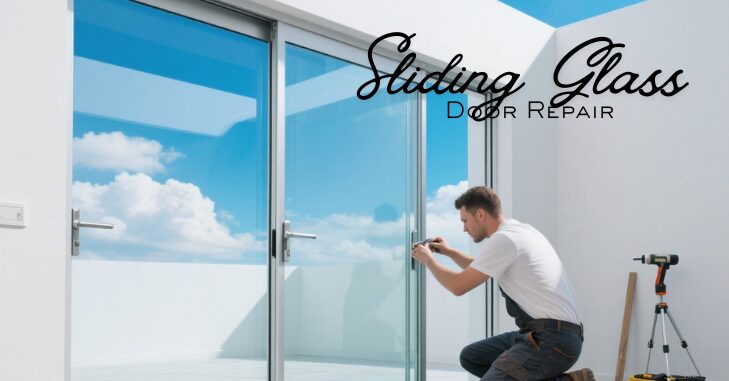
Before diving into repairs, it’s essential to understand the primary components of sliding glass doors. A typical sliding glass door consists of two main panels: the stationary panel, which is fixed in place, and the moving panel, which slides open and closed. The frame encases the glass panels, providing structural integrity. The rollers at the bottom of the moving panel allow it to glide smoothly along the track.
As with any mechanism, wear and tear can cause these components to malfunction. Common issues include misalignment, damaged rollers, broken glass, and weather stripping deterioration. Identifying the specific issue is crucial for effective repair.
Step-by-Step Repair Guide
Step 1: Assess the Problem
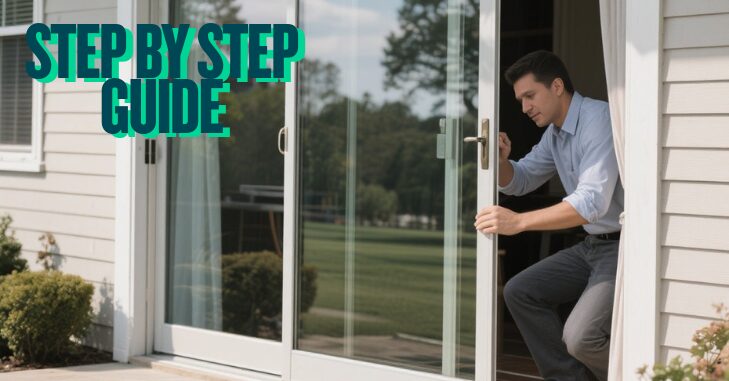
Begin by examining the sliding glass door to determine the exact issue. If the door is difficult to open or close, the problem may lie with the rollers, track, or alignment. If there is visible damage to the glass, such as cracks or shattering, you will need to replace the glass panel. Assessing the problem accurately will guide you in choosing the right repair method.
Step 2: Gather Necessary Materials
Once you understand the issue, gather the materials you will need for the repair. For roller issues, you will require a screwdriver, replacement rollers, and possibly a lubricant. If you are dealing with broken glass panels, you will need safety goggles, gloves, a utility knife, a glass cutter, and replacement glass. Moreover, weather stripping or caulk may be necessary for sealing any gaps after repairs.
Step 3: Remove the Moving Panel
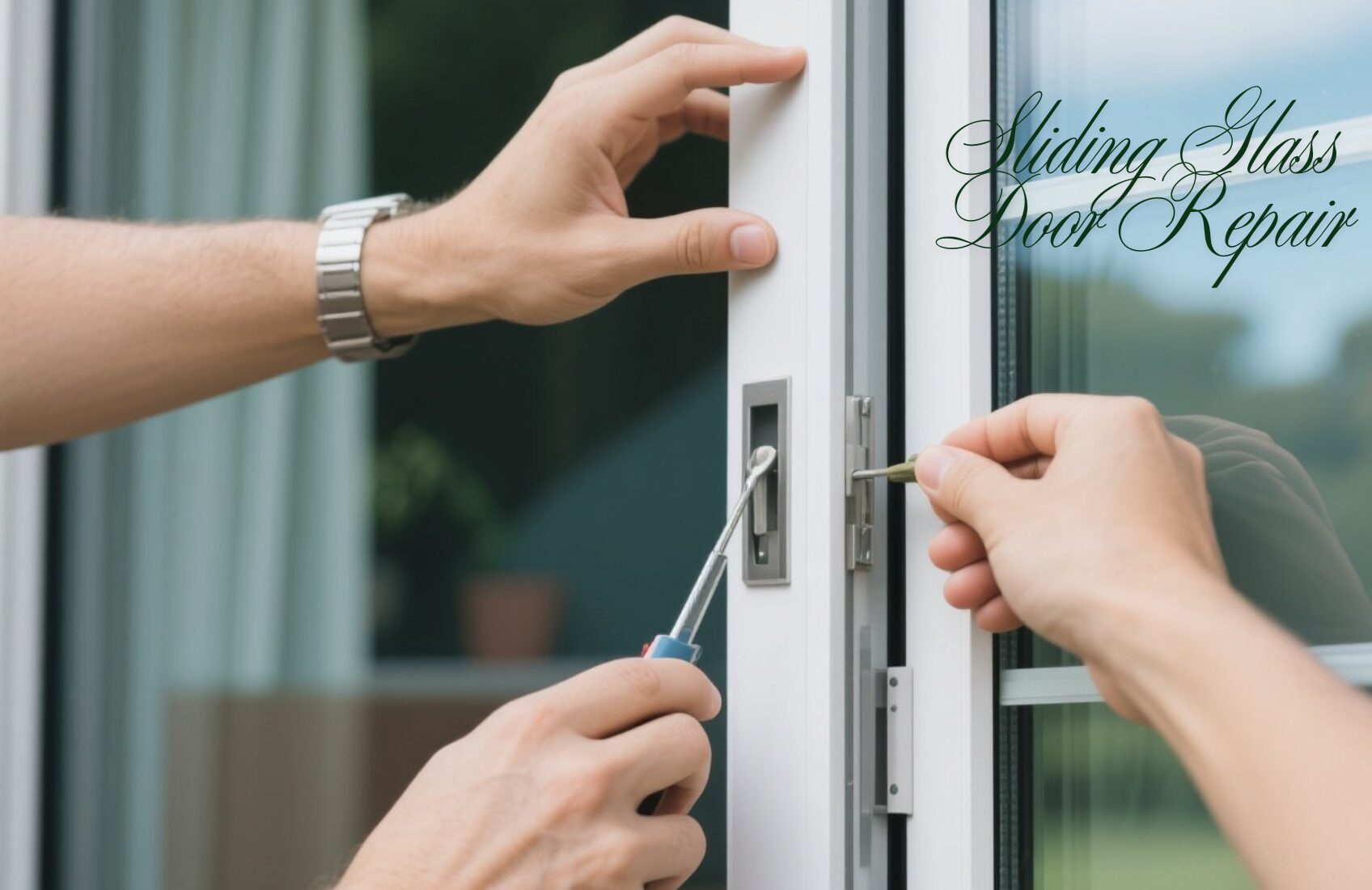
To access the rollers or replace the glass, you must first remove the moving panel. Start by locating the screws holding the track in place. Using a screwdriver, remove these screws. Next, lift the moving panel slightly and tilt it to pull it away from the track. If the rollers are stuck, you may need to apply gentle pressure or use a lubricant to free them.
Step 4: Repair or Replace Rollers
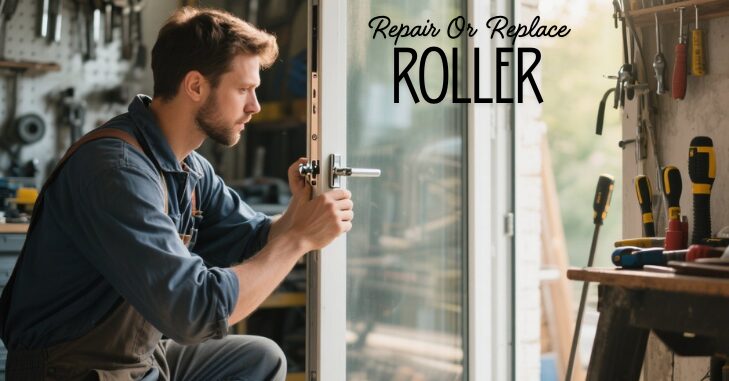
Once the moving panel is removed, inspect the rollers. If they are worn out or damaged, replace them with new ones. Remove the old rollers by unscrewing them from the panel. Install the new rollers by securing them in place with screws. Ensure they are aligned correctly for smooth operation. If the rollers are in good condition, clean them and the track thoroughly to ensure there are no obstructions.
Step 5: Reinstall the Moving Panel
After addressing the roller issue, it’s time to reinstall the moving panel. Position the panel back on the track, ensuring the rollers fit into the track appropriately. Tilt the panel slightly and lower it into place. Secure the panel by reinserting the screws that hold the track in position. Test the door to ensure it slides smoothly.
Step 6: Replacing Broken Glass Panels
If the problem involves broken glass, you will need to replace the damaged panel. Start by wearing safety goggles and gloves to protect yourself from sharp edges. Carefully remove any remaining glass pieces from the frame, ensuring there are no shards left behind.
Measure the dimensions of the opening where the glass will be installed. Visit a local glass shop or home improvement store to purchase a replacement panel cut to size. Make sure to select the appropriate thickness for your door.
Step 7: Installing the New Glass Panel
Once you have the replacement glass, carefully place it into the frame. Ensure it fits snugly, with no gaps. If your door has a rubber gasket or weather stripping, check its condition and replace it if necessary to create a seal. Use a utility knife to trim any excess material as needed.
Once the glass is in place, secure it with clips or screws, depending on your door’s design. It’s essential to ensure that the glass is adequately supported and secured to prevent it from shifting.
Step 8: Sealing and Finishing Touches
After installing the new glass panel, apply a bead of silicone caulk around the edges to create a weatherproof seal. This step is crucial to prevent drafts and water from entering the home. Allow the caulk to dry according to the manufacturer’s instructions.
Finally, inspect the entire door for any other issues, such as worn weather stripping. If necessary, replace the weather stripping to enhance insulation and energy efficiency.
Additional Considerations
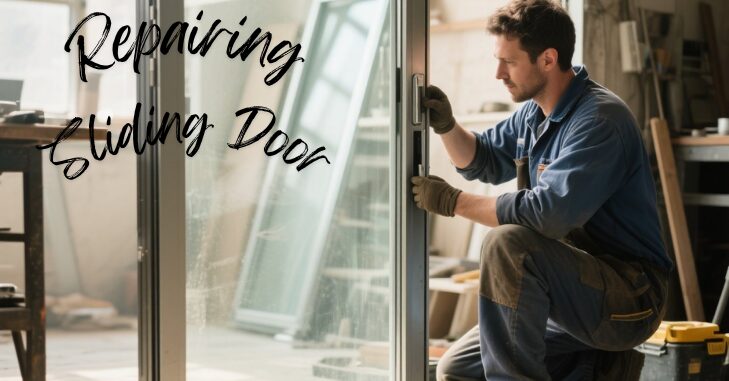
When repairing sliding glass doors, it is vital to consider safety first. Always wear protective gear, especially when handling glass. If you are uncomfortable with any part of the repair process, don’t hesitate to consult a professional.
Moreover, regular maintenance can prolong the life of your sliding glass door. Clean the tracks regularly to prevent dirt buildup, lubricate the rollers, and inspect the weather stripping periodically. By taking these preventive measures, you can avoid more extensive repairs in the future.
Conclusion
Repairing sliding glass doors is a manageable task when approached methodically. By understanding the components and common issues, gathering the right materials, and following a step-by-step guide, homeowners can effectively address problems ranging from stuck doors to broken glass panels.
Regular maintenance and prompt repairs can contribute to the longevity and functionality of your sliding glass doors, ensuring they remain a beautiful and practical feature of your home for years to come. Whether you choose to tackle the repair yourself or seek professional assistance, being informed is the first step toward successful sliding glass door repair.
Want to know about Shower Remodel: Comprehensive Strategies to Elevate Your Bathroom’s Style, Comfort, and Functionality Check out our Home Improvement category.
FAQs
Our glass specialists can complete most sliding door repairs within a few hours, depending on the extent of the damage. Minor issues like roller replacement or track cleaning are often quick fixes. More complex repairs, like frame adjustments or glass replacement, can take more time depending on the problem.
With basic tools, you can tackle most sliding door repairs yourself, saving time and money on professional services. From cleaning tracks to replacing rollers, we’ll cover everything you need to know to get your sliding door working like new.
Patio Door Replacement Cost. Deciding whether to repair a patio door or replace it comes down to the extent of the damage. Patio door repair might make more sense if you have broken wheels or a bent track. If the patio door has more damage, like broken glass or warping, replacement is the better way to go.
If the track, rollers, and frame are still functional, it’s possible to simply replace the sliding glass door without replacing the frame, a cost-effective and efficient solution. However, if the door itself is in poor condition, you may need to consider replacing the entire door.