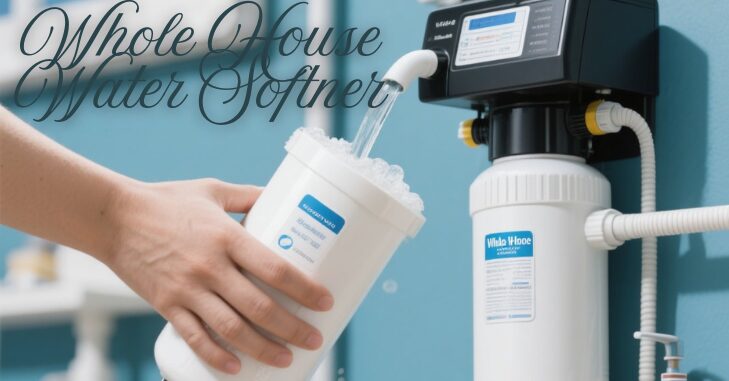
Whole House Water Softener
A Whole House Water Softener is an essential home appliance designed to improve water quality by removing hardness-causing minerals such as calcium and magnesium. Hard water can lead to scale buildup in pipes, reduced appliance efficiency, and soap residue on surfaces. By installing a whole-house system, homeowners can protect their plumbing, enhance the performance of household appliances, and enjoy softer, cleaner water throughout the home.
Understanding the key components, maintenance practices, cost factors, and energy considerations of a water softener can help you make an informed choice that ensures long-term efficiency and water quality improvement.
| Section | Key Details |
| Definition | A system that removes hardness minerals (mainly calcium and magnesium) from household water. |
| Main Components | Mineral Tank Brine Tank Control Valve Bypass Valve Drain Line |
| Maintenance Tasks | Monitor Clean Inspect Check Schedule |
| Top Brands | Fleck Culligan Aquasana WaterBoss Pelican Water |
| Cost Considerations | Initial Purchase Installation Operating Costs Long-Term Savings |
| Energy Factors | Low energy Efficient models save water and salt heater efficiency, reducing energy consumption. |
| Additional Information | Test water before purchase. Proper system size salt-free alternatives. local regulations Environmental impact of salt discharge. |
| Conclusion | Whole House Water Softener enhances water quality, protects home appliances, and promotes energy efficiency. Proper maintenance, Long-term benefits and cost savings. |
Understanding Whole House Water Softener
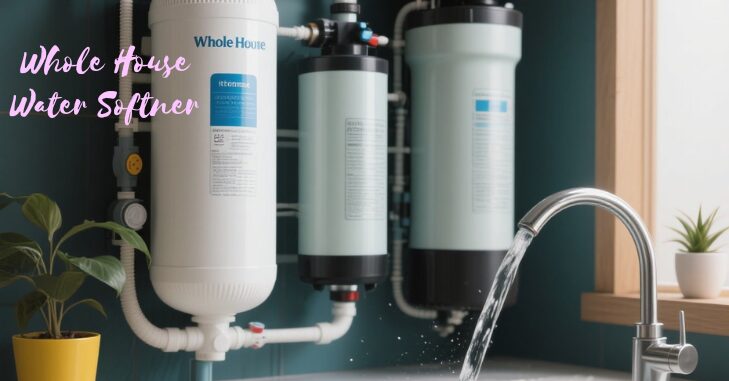
Water softeners are essential appliances in many homes, especially in areas with hard water. Hard water contains high levels of minerals, primarily calcium and magnesium, which can lead to various issues such as scale buildup, soap scum, and reduced efficiency of appliances.
Key Components of a Whole House Water Softener
A whole-house water softener typically consists of several key components that work together to remove hard minerals from water. Understanding these components can help you appreciate how water softeners function.
Mineral Tank
The mineral tank is the heart of the water softener. It contains resin beads that are charged with sodium ions. As hard water flows through the tank, calcium and magnesium ions are exchanged for sodium ions, effectively softening the water. The resin beads require periodic regeneration to maintain their effectiveness.
Brine Tank
The brine tank holds a salt solution used in the regeneration process. When the resin beads become saturated with hardness minerals, the water softener initiates a regeneration cycle. During this cycle, salt from the brine tank is mixed with water to create a brine solution, which flushes the hard minerals from the resin beads and replenishes them with sodium ions.
Control Valve
The control valve regulates the flow of water through the system and manages the regeneration process. It ensures that the system only regenerates when necessary, based on water usage patterns. Some modern systems feature digital controls that allow you to program regeneration cycles according to your household’s needs.
Bypass Valve
The bypass valve allows you to divert water away from the softener when necessary. This can be useful for maintenance or when you want to use untreated water for specific applications, such as gardening or filling a pool.
Drain Line
The drain line removes wastewater generated during the regeneration cycle. It is essential for the proper functioning of the water softener and must be connected to a suitable drainage system.
Maintenance of Whole House Water Softeners
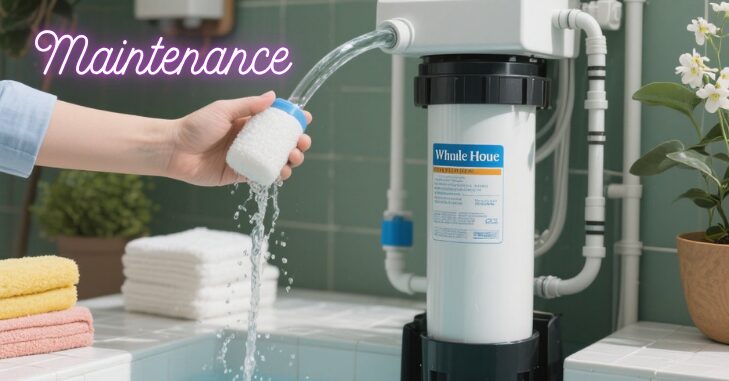
Salt Level Monitoring
- Check the salt level in the brine tank at least once a month.
- Refill as necessary, using high-purity salt (rock salt, solar salt, or evaporated salt) for optimal efficiency.
Cleaning the Brine Tank
- Clean the brine tank every six months to prevent sediment buildup.
- Empty the tank, scrub with a water and vinegar solution, and rinse thoroughly before refilling with salt.
Inspecting the Resin Beads
- Regularly inspect resin beads for signs of damage or degradation.
- Replace resin beads every 10 to 15 years if water softening is ineffective.
Checking for Leaks
- Inspect the entire system regularly for leaks to prevent water waste and home damage.
- Address any leaks promptly to avoid further issues.
Professional Servicing
- Schedule professional servicing every couple of years for comprehensive checks and to ensure the system’s peak performance.
Top Brands of Whole House Water Softeners
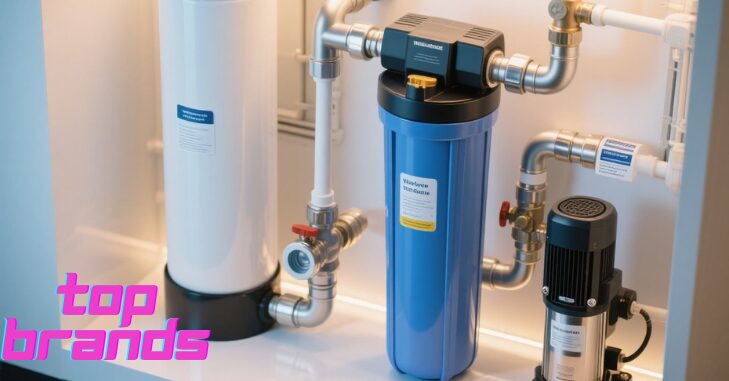
When it comes to choosing a water softener, several brands are known for their quality and reliability. Here are some of the top brands in the market:
Fleck
Fleck is a well-known brand that offers a range of high-quality water softeners. Their systems are known for their durability and efficiency. The Fleck 5600SXT is a popular model that features a digital control head and high-capacity resin.
Culligan
Culligan is a trusted name in the water treatment industry, providing various water softening solutions. Their systems are customizable and often come with professional installation and service options. The Culligan High Efficiency Water Softener is a popular choice among homeowners.
Aquasana
Aquasana offers eco-friendly water softeners that utilize a salt-free system. Their products are designed to reduce scale buildup without the need for traditional salt-based systems. The Aquasana Whole House Water Filter System is a popular option for those seeking a dual filtration and softening solution.
WaterBoss
WaterBoss specializes in compact, space-saving water softeners. Their systems are ideal for smaller homes or apartments. The WaterBoss 700 is a popular model that combines water softening and filtration in one unit.
Pelican Water
Pelican Water is known for its environmentally friendly water softening solutions. They offer a variety of salt-free systems that reduce hardness while maintaining essential minerals. The Pelican NaturSoft System is a top-rated choice for those looking for an eco-friendly option.
Cost Considerations for Whole House Water Softeners
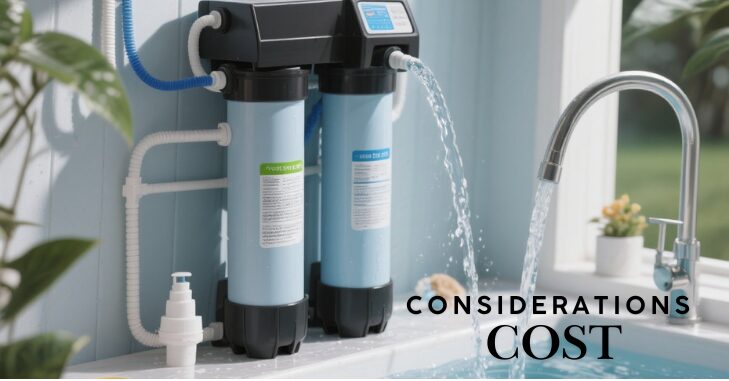
The cost of a whole-house water softener can vary significantly based on several factors, including the type of system, brand, and installation requirements. Understanding these factors can help you budget appropriately.
Initial Purchase Price
The initial cost of a water softener can range from $400 to $3,000, depending on the type and brand. Salt-based systems are generally more affordable than salt-free options.
Installation Costs
In addition to the purchase price, you must consider installation costs. Professional installation can range from $150 to $500, depending on the complexity of the installation and local labor rates. Some homeowners choose to install systems themselves, which can save on costs.
Operating Costs
Operating costs include salt purchases, electricity (if applicable), and maintenance. Salt typically costs between $5 and $15 per 40-pound bag, and most households use about one bag per month. Additionally, consider the cost of periodic professional maintenance and potential repairs.
Long-Term Savings
Investing in a whole-house water softener can lead to long-term savings. Soft water can improve the efficiency of your appliances, extend their lifespan, and reduce energy bills. Additionally, using less soap and detergent due to the effectiveness of soft water can save you money on cleaning supplies.
Energy Considerations
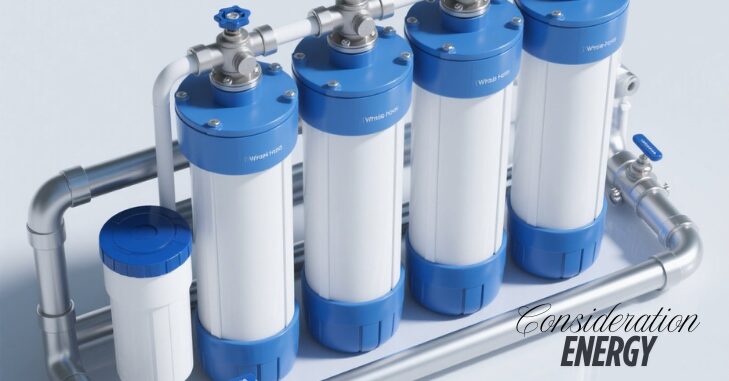
Some water softeners, especially those with digital controls, require electricity to operate. While the energy consumption is typically minimal, it can add to your utility bills. Look for energy-efficient models that minimize electricity use. When shopping for a water softener, consider models that have efficiency ratings. More efficient systems use less water and salt during the regeneration process, leading to lower operating costs and a reduced environmental impact. Soft water can improve the efficiency of water heaters by reducing scale buildup. Over time, this can lead to energy savings, as appliances can operate more efficiently.
Additional Information
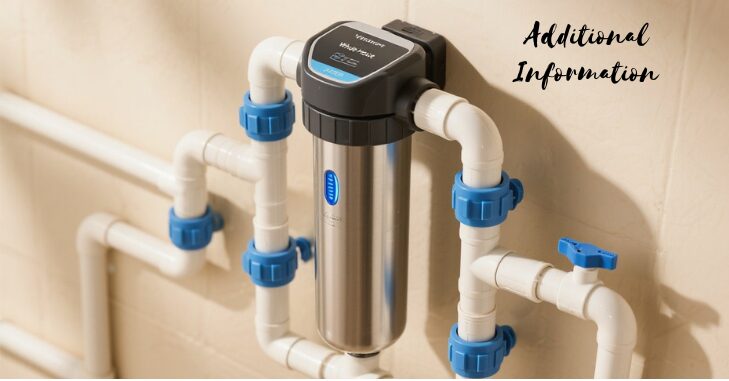
Water Testing
Before purchasing a water softener, it’s essential to test your water. You can do this through a professional service or a home testing kit. Knowing the hardness level and specific contaminants in your water will help you choose the right system.
Choosing the Right Size
Selecting the right size of water softener is crucial for optimal performance. Size is typically determined by the household’s water usage and hardness level. A professional can help you determine the appropriate size based on your needs.
Salt-Free Alternatives
If you are concerned about the use of salt, consider salt-free water conditioning systems. These systems do not remove minerals but instead alter them to prevent scale buildup. While they are not as effective as traditional systems, they can be a suitable option for some households.
Regulations and Permits
Before installing a water softener, check local regulations regarding water treatment systems. Some areas may have specific guidelines or permit requirements for installation.
Conclusion
A whole-house water softener is an investment that can greatly enhance your home’s water quality. By understanding the key components, maintenance requirements, top brands, cost considerations, and energy efficiency, you can make an informed decision tailored to your household’s needs. Whether you opt for a traditional salt-based system or an eco-friendlier alternative, the right water softener can provide long-term benefits, improving not only your water quality but also the efficiency and lifespan of your appliances.
Want to know about Water Heater Maintenance Explained: Troubleshooting, Sediment Removal, Tank Care, Safety Tips, and Performance Optimization Check out our Home Improvement category.
FAQs
Increased sodium levels: Softened water is safe to drink for most people, but those on low-sodium diets may face troubles. You might have to install a bypass tap or consider a salt-free system. Environmental impact: Traditional softeners discharge salty wastewater, which can be bad for the environment.
On average, most homeowners pay between $1,000 and $3,000 for a standard system, including installation. Installation and maintenance can add additional costs, but understanding the factors that influence pricing can help you budget effectively for a water softener system.
Because it reduces water hardness by removing heavy minerals like calcium, iron, and magnesium from the water supply coming into the home, a water softener prevents common water problems, including mineral deposits and scale buildup on leading to leaky faucets and clogged pipes, and damage to water-based appliances.