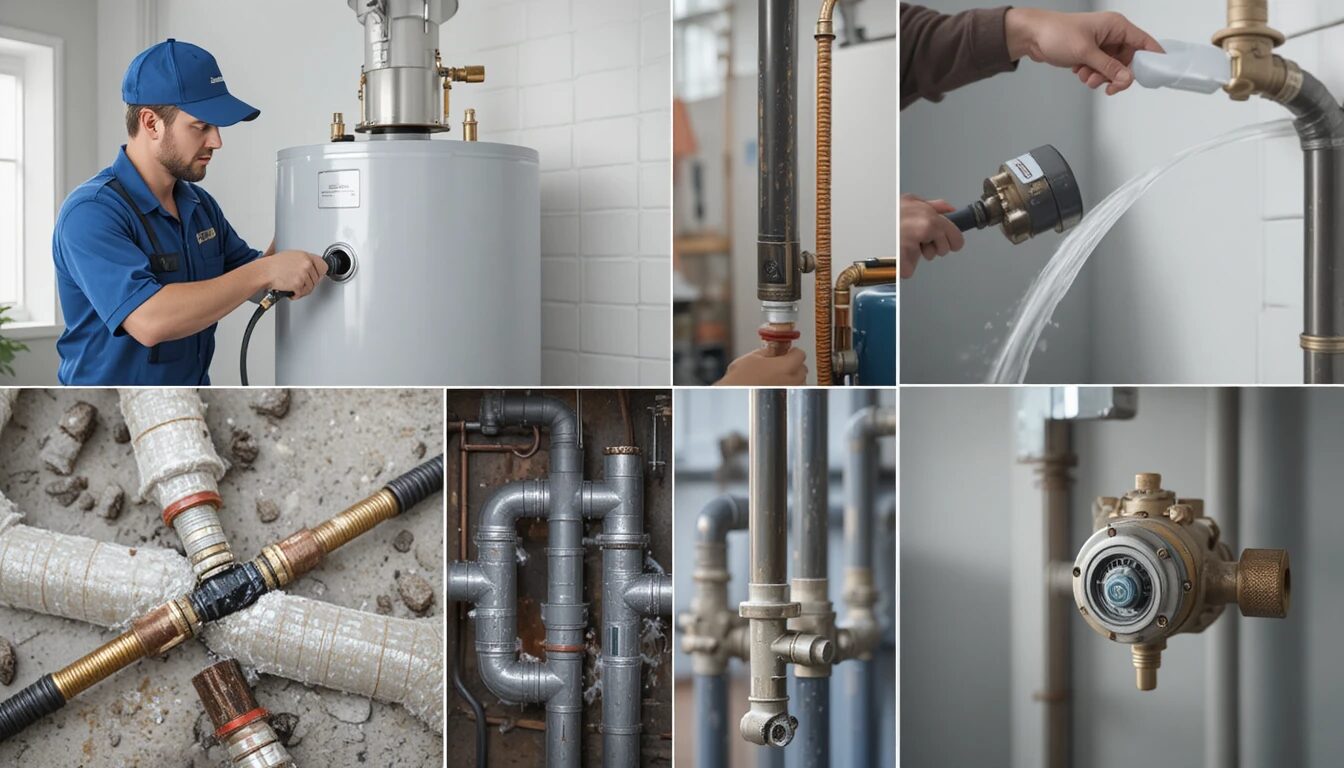
Water Heater Maintenance
Water heaters are among the most essential appliances in modern homes. From hot morning showers to clean laundry, dishwashing, and even cooking, a dependable supply of hot water has a direct impact on comfort and convenience. Yet, despite their importance, water heaters are often ignored until they fail—leading to costly repairs, high energy bills, or even sudden cold showers.
Like any mechanical system, water heaters require routine maintenance to function efficiently and last longer. Regular care not only prevents unexpected breakdowns but also optimizes energy usage, saving households money in the long run. This guide offers an in-depth examination of Water Heater Maintenance, why maintenance is crucial, common issues, step-by-step maintenance practices, professional servicing insights, and tips to extend the lifespan of your water heater.
| Category | Issue | Quick Fix | Benefit |
| Troubleshooting | No hot water, leaks, or noise | Check thermostat, elements, and valves | Prevents major failures |
| Sediment Removal | Mineral buildup | Flush tank or descale annually | Restores efficiency |
| Tank Care | Corrosion, rust | Replace the anode rod, insulate, and test the valve | Extends tank lifespan |
| Safety Tips | Pressure, overheating | Test relief valve, set temp to 120°F | Reduces risks |
| Performance Optimization | High bills, poor heating | Adjust thermostat, insulate pipes | Saves energy & improves output |
Why Water Heater Maintenance Matters
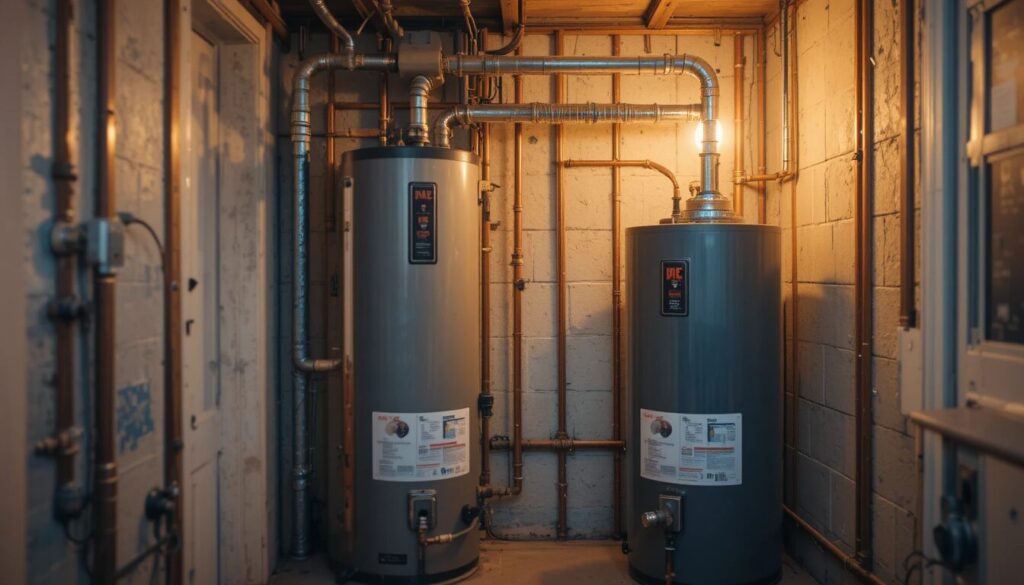
Water heaters typically last between 8 and 15 years, depending on the model, water quality, and usage. However, lack of maintenance can cut that lifespan in half. Here’s why maintenance is critical:
- Efficiency: Sediment buildup inside the tank reduces heating efficiency, causing the unit to work harder and use more energy.
- Cost Savings: A poorly maintained heater consumes more fuel or electricity, resulting in higher monthly utility bills.
- Safety: Malfunctioning heaters can pose risks, including water leaks, electrical hazards, or pressure buildup.
- Water Quality: Mineral deposits inside tanks can affect water clarity, taste, and even leave stains on laundry or dishes.
- Longevity: Regular flushing, inspections, and part replacements can extend the life of a water heater by several years.
Types of Water Heaters and Their Maintenance Needs
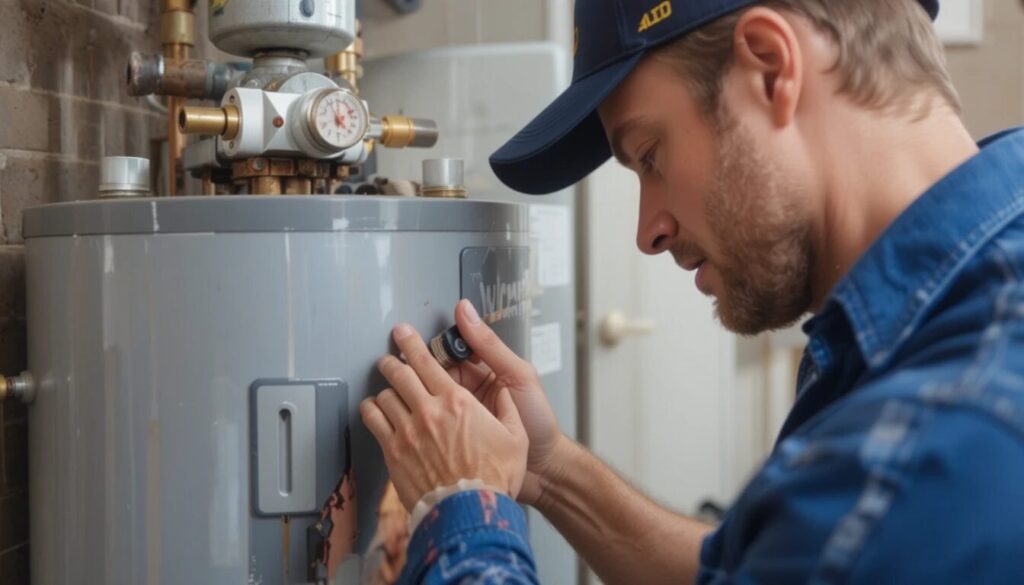
Before diving into specific maintenance tips, it’s essential to understand that not all water heaters are the same. Each type has slightly different care requirements.
1. Storage Tank Water Heaters
Storage tank water heaters are the most common type found in homes. These systems store hot water in a large insulated tank, making it readily available for various household needs. However, they require periodic flushing to remove sediment buildup, which can accumulate over time and lead to corrosion. Regular maintenance is essential to ensure their efficiency and longevity.
2. Tankless (On-Demand) Water Heaters
Tankless water heaters, also known as on-demand water heaters, heat water only when needed, resulting in significant energy savings. These systems are generally less prone to sediment buildup compared to traditional tank heaters. However, they still require descaling, especially in areas with hard water, to maintain optimal performance and prevent mineral deposits from affecting their functionality.
3. Hybrid Water Heaters
Hybrid water heaters combine the features of a traditional storage tank with heat pump technology. This design makes them more energy-efficient, as they utilize ambient air to heat water, reducing electricity consumption. However, hybrid systems are more complex and require both electrical and mechanical upkeep, making regular maintenance and monitoring essential for their effective operation.
4. Solar Water Heaters
Solar water heaters harness energy from the sun to heat water, making them an environmentally friendly option. These systems utilize solar panels to capture sunlight, which is then converted into thermal energy. To ensure optimal performance, solar water heaters require seasonal checks on solar collectors, pumps, and backup heating systems to maintain their efficiency and functionality throughout the year.
Common Problems in Water Heaters
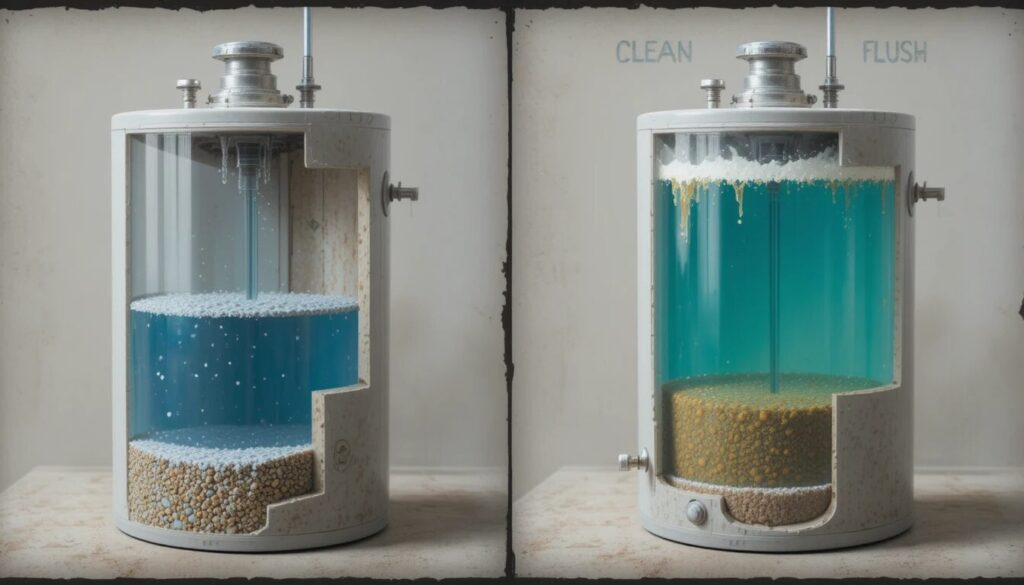
Even with proper care, water heaters may experience issues over time. Recognizing early warning signs allows for timely intervention.
- No Hot Water: Caused by faulty heating elements, thermostat failure, or gas burner issues.
- Water Too Hot or Cold: Often due to thermostat miscalibration.
- Strange Noises: Rumbling or popping sounds usually indicate sediment buildup.
- Leaks: Pressure relief valve issues, corroded tanks, or loose connections.
- Discolored or Smelly Water: A result of bacterial growth or rust inside the tank.
Step-by-Step Maintenance Guide
1. Flushing the Tank
Sediment buildup is the leading cause of inefficiency. Flushing removes deposits and keeps the unit running smoothly.
- Turn off the power or gas supply.
- Attach a garden hose to the drain valve.
- Empty the tank, then refill.
- Repeat at least once a year.
2. Checking the Anode Rod
The anode rod prevents tank corrosion by attracting minerals.
- Inspect every 2–3 years.
- Replace if corroded more than 50%.
- This simple step can extend tank life by years.
3. Testing the Pressure Relief Valve
A faulty valve can cause dangerous pressure buildup.
- Lift the lever gently; water should discharge.
- If not, replace the valve immediately.
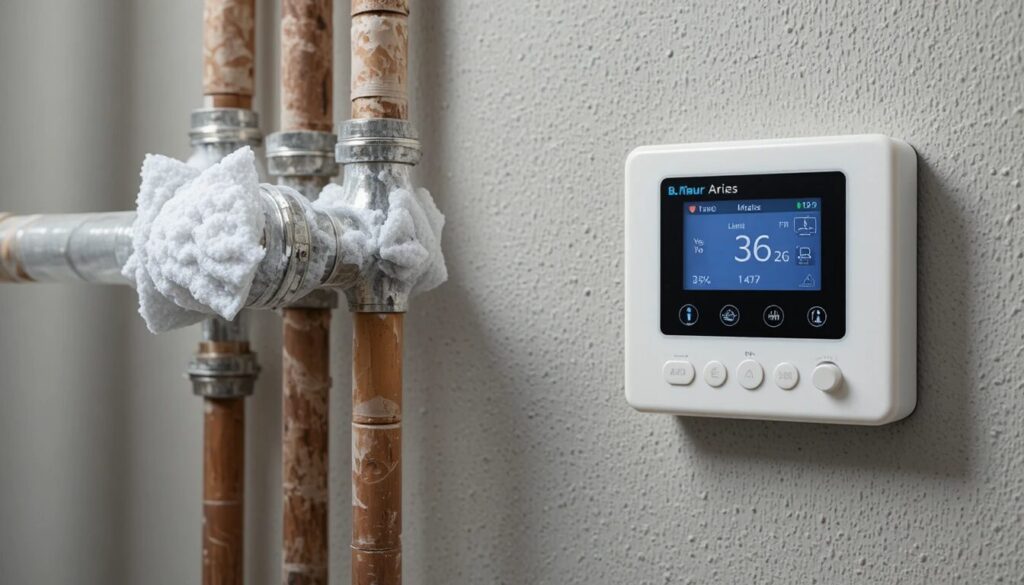
4. Insulating the Tank and Pipes
Adding insulation reduces heat loss and saves energy.
- Use an insulating blanket for older tanks.
- Insulate exposed hot water pipes.
5. Adjusting the Thermostat
Maintaining water at 120°F strikes a balance between safety and efficiency.
- Reduces risk of scalding.
- Cuts energy bills significantly.
6. Descaling for Tankless Units
Tankless heaters often accumulate calcium deposits.
- Use a vinegar solution pump kit.
- Perform once or twice a year in areas with hard water.
Professional vs. DIY Maintenance
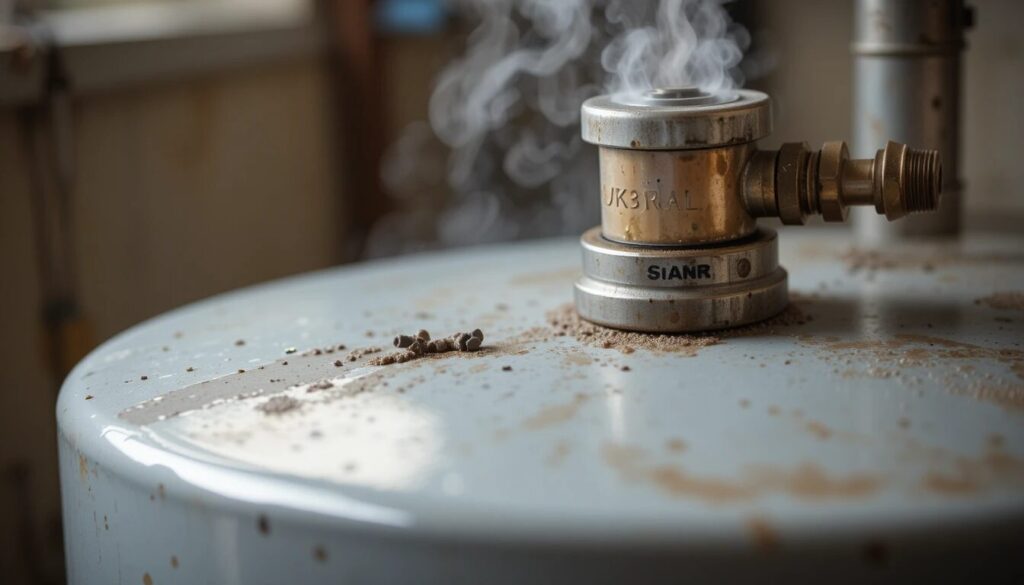
While homeowners can perform many maintenance tasks, certain inspections require professional expertise.
- DIY-Friendly: Flushing, thermostat adjustment, basic insulation.
- Professional Tasks: Electrical wiring, gas line inspection, anode rod replacement (if inexperienced), and leak repairs.
Hiring a licensed plumber for annual inspections is highly recommended, especially for gas and hybrid systems.
Cost of Water Heater Maintenance
Below is a breakdown of typical maintenance costs for different types of water heaters.
| Service Type | DIY Cost (Approx.) | Professional Cost (Approx.) | Frequency |
| Flushing the Tank | $0–$10 (hose, vinegar) | $80–$150 | Annual |
| Anode Rod Replacement | $20–$50 | $150–$250 | Every 3–5 yrs |
| Pressure Relief Valve Check | Free | $100–$200 | Annual |
| Insulation (tank & pipes) | $30–$60 | $150–$300 | Once |
| Descaling Tankless Units | $20–$40 | $150–$250 | Annual |
| Full Professional Inspection | N/A | $150–$300 | Annual |
Tip: Investing in maintenance often costs less than emergency repairs, which can range from $300 to $1,500, or complete replacement, which may cost $1,000 to $4,000.
Energy Efficiency and Eco-Friendly Practices
Maintaining your water heater is closely linked to sustainability, and several eco-conscious strategies can be implemented. First, consider installing low-flow fixtures, which can significantly reduce the demand on your water heater by minimizing hot water usage. Additionally, using a timer for electric water heaters can help you limit operation during off-peak hours, leading to energy savings.
Transitioning to tankless or hybrid models is another practical approach; although these systems may have a higher initial cost, they drastically cut energy consumption over time. Finally, when it’s time to replace your old unit, consider recycling programs in your area that accept water heaters for scrap metal recycling, which helps reduce landfill waste and promotes sustainability.
Extending Water Heater Lifespan
To maximize your investment, adopt a proactive care routine:
- Flush annually.
- Inspect for leaks monthly.
- Test safety valves.
- Schedule yearly professional check-ups.
- Use water softeners in areas with hard water.
With proper care, even budget-friendly heaters can last for over a decade.
Signs It’s Time for Replacement
No amount of maintenance can save a water heater that has reached the end of its lifespan. Signs you may need a replacement include:
- Consistent lack of hot water.
- Tank leaks or visible rust.
- Rising energy bills despite maintenance.
- Age over 12–15 years for standard units.
Conclusion
Water heaters may not receive the same attention as stoves or refrigerators, but they play a vital role in household comfort. Regular maintenance—flushing, checking valves, inspecting anode rods, and occasional professional servicing—ensures efficiency, safety, and longevity. By investing in preventative care, homeowners can save on energy costs, avoid costly repairs, and extend the lifespan of their unit. A well-maintained water heater is not just about hot showers; it’s about peace of mind, financial savings, and sustainability.
If you want to read an interesting article about it, explore our Home Improvement category.
FAQs
It’s recommended to flush your water heater at least once a year. If you live in an area with hard water, consider flushing it every six months to prevent sediment buildup.
Common signs that your water heater may need maintenance include unusual noises (such as popping or rumbling), discolored water, insufficient hot water supply, and leaks around the unit.
Inspect the anode rod every 1-2 years. If it is more than 50% corroded or has completely dissolved, it should be replaced to prevent tank corrosion.
The ideal temperature setting for most water heaters is around 120°F (49°C). This temperature is hot enough for most household needs while minimizing the risk of scalding.