Cost of Spray Foam Insulation
When it comes to making your home more energy-efficient, insulation plays a crucial role. Among the many options available, spray foam insulation has become increasingly popular for homeowners and businesses alike. While it carries a higher upfront cost than traditional fiberglass or cellulose, the cost of spray foam insulation can often be justified by its long-term benefits, including durability and eco-friendly advantages.
This guide breaks down everything you need to know about material prices, installation costs, room-by-room estimates, energy bill savings, and why spray foam is considered one of the best investments for sustainable living.
Spray Foam Insulation Cost and Benefits Breakdown
| Aspect | Details |
|---|---|
| Average Cost per Sq. Ft. | $1.00 – $3.00 |
| Open-Cell Spray Foam Cost | $0.45 – $0.65 per board foot |
| Closed-Cell Spray Foam Cost | $1.00 – $1.50 per board foot |
| Attic Insulation Cost | $1,500 – $3,000 |
| Basement Insulation Cost | $1,000 – $2,500 |
| Wall Insulation Cost | $1,500 – $4,000 |
| Crawl Space Insulation Cost | $800 – $2,000 |
| Garage Insulation Cost | $1,200 – $2,500 |
| DIY Kit Cost | $300 – $600 |
| Professional Installation Cost | $1,200 – $3,500 |
| Energy Savings | 20% – 40% reduction in bills |
| Lifespan | Over 30 years |
| R-Value (Open-Cell) | Around R-3.5 per inch |
| R-Value (Closed-Cell) | Around R-6.5 per inch |
| Payback Period | 3 – 7 years |
| Moisture Resistance | Excellent with closed-cell foam |
| Soundproofing | Effective with open-cell foam |
| Carbon Footprint Reduction | Significant due to lower energy use |
| Common Uses | Attics, walls, basements, crawl spaces |
| Eco-Friendly Benefit | Reduced energy waste |
| Health Benefit | Improves indoor air quality |
| Labor Cost Influence | Higher in hard-to-reach areas |
| Durability | Long-lasting without sagging |
| Mold Resistance | Strong with closed-cell foam |
| Overall Value | High upfront cost but excellent ROI |
Material Prices of Spray Foam Insulation
Spray foam insulation comes in two main types: open-cell and closed-cell, each with different pricing.
- Open-cell spray foam generally costs between $0.45 $0.65 per board foot. It is lighter, less dense, and more affordable, making it suitable for use on interior walls, in attics, and on ceilings.
- Closed-cell spray foam is denser, offering a more substantial moisture barrier and higher R-value per inch. The cost typically ranges from $1.00 to $1.50 per board foot, which makes it more expensive but more effective for areas exposed to moisture or extreme temperatures.
The material price alone doesn’t reflect the full expense since labor, equipment, and preparation are also included in the final estimate.
Installation Costs of Spray Foam Insulation
Professional installation is the most common choice for homeowners due to the complexity of the process. The average cost of spray foam insulation installation ranges from $1,200 to $3,500 for most residential projects. Several factors determine the final price:
- Square footage: Larger homes require more materials and labor.
- Location: Prices may vary depending on local labor rates and climate conditions.
- Depth of application: Adding extra inches for higher insulation values increases costs.
- Preparation work, such as removing old insulation, sealing leaks, or addressing dampness, can increase expenses.
In some cases, homeowners opt for DIY spray foam insulation kits, which cost between $300 and $600 for small areas. However, professional results are usually more reliable, longer-lasting, and safer.
Room-by-Room Estimates
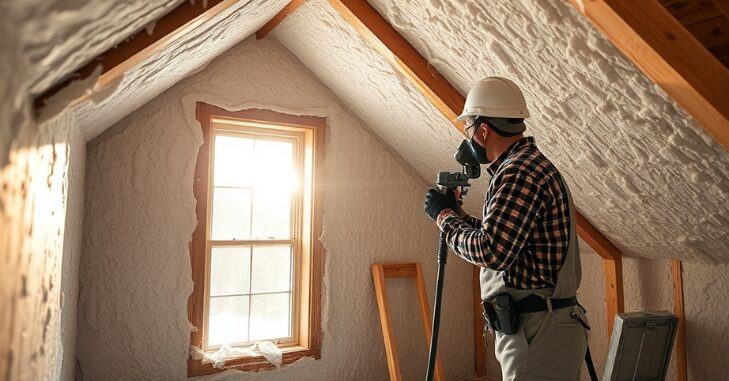
To give a clearer picture, let’s break down the average spray foam insulation costs room by room. These figures vary by home size and region, but they provide a helpful baseline for comparison.
- Attic Insulation: $1,500 – $3,000
- The attic is one of the most energy-draining areas of a home. Spray foam effectively seals air leaks, prevents heat loss, and reduces cooling costs.
- Basement Insulation: $1,000 – $2,500
- Closed-cell foam is often used here due to its moisture resistance, making basements warmer and less prone to mold.
- Walls (Interior/Exterior): $1,500 – $4,000
- Walls are insulated with either open-cell for interior soundproofing or closed-cell for exterior protection. Costs depend on thickness and accessibility.
- Crawl Space Insulation: $800 – $2,000
- Spray foam seals cracks and prevents pests, humidity, and cold drafts from entering the home.
- Garage Insulation: $1,200 – $2,500
A properly insulated garage not only protects vehicles but also keeps living areas above it warmer.
By calculating based on square footage and room function, homeowners can estimate the total cost more accurately.
Comparing Spray Foam to Other Insulation Costs
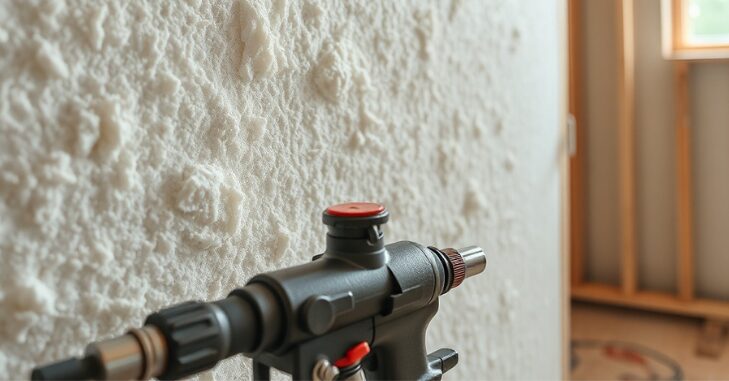
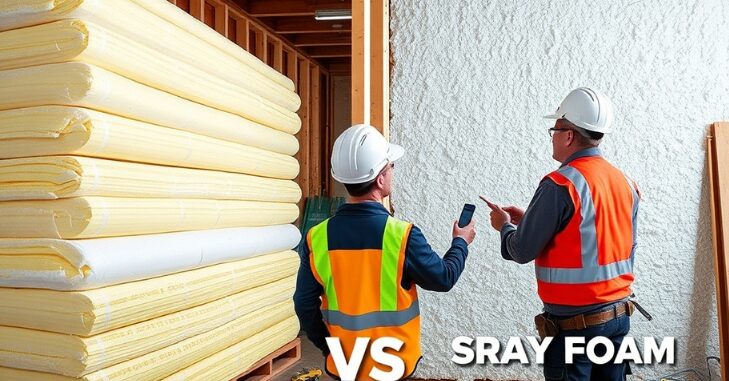
When compared to traditional insulation options, spray foam is more expensive upfront but provides greater efficiency.
- Fiberglass insulation: $0.40 – $0.70 per square foot
- Cellulose insulation: $0.60 – $1.00 per square foot
- Spray foam insulation: $1.00 – $3.00 per square foot.
While fiberglass and cellulose are cheaper, they don’t create the same airtight seal as spray foam. Over time, spray foam’s ability to reduce air leaks and energy waste makes it the more cost-effective choice.
Energy Bill Savings with Spray Foam Insulation
One of the most significant benefits of spray foam is its long-term energy savings. Creating an airtight barrier reduces heating and cooling loss, which directly impacts monthly bills.
- On average, homeowners report savings of 20% to 40% on their energy bills after installing spray foam.
- Closed-cell spray foam, with its higher R-value, maximizes efficiency in climates with extreme temperatures or high humidity.
- Sealing small leaks around attics, basements, and crawl spaces can prevent hundreds of dollars in wasted energy every year.
Although the upfront cost is higher, the payback period through energy savings usually falls within 3 to 7 years, making it a long-term investment.
Eco-Friendly Living Benefits
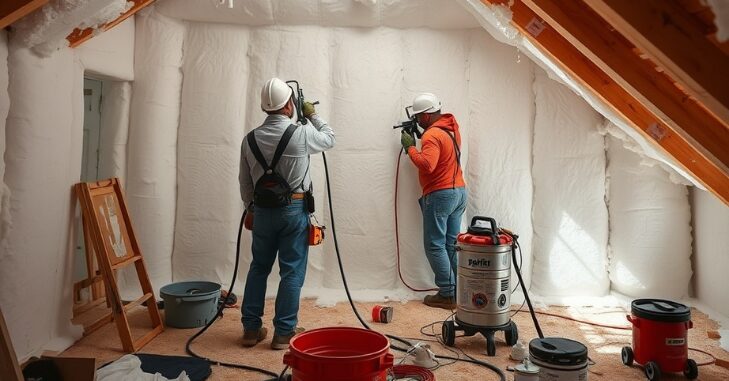
Spray foam insulation is not only a financial investment but also an environmentally friendly choice. Here’s how it contributes to sustainable living:
- Reduced carbon footprint: Lower energy consumption directly reduces greenhouse gas emissions.
- Durability: Spray foam lasts for decades without sagging or shifting, reducing the need for frequent replacements.
- Air quality improvement: By sealing cracks, spray foam minimizes the entry of dust, pollen, and allergens into the home, creating a healthier living environment.
- Moisture resistance: With closed-cell foam, the prevention of mold growth enhances sustainability by extending the life of building materials.
Choosing spray foam insulation supports a green lifestyle while also improving comfort and indoor air quality.
Factors That Influence Spray Foam Insulation Costs
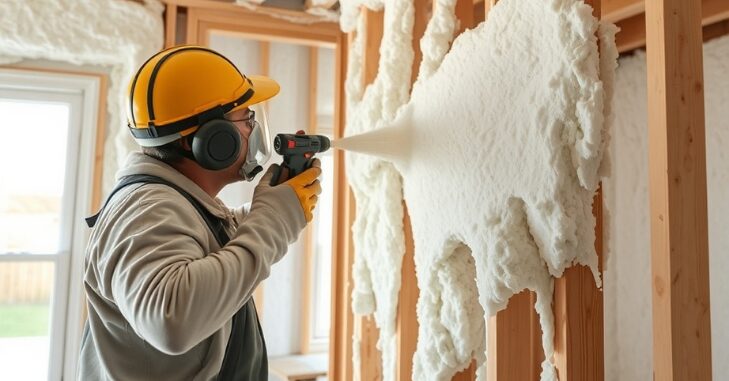
To understand why quotes may vary widely, it’s essential to recognize the leading cost influencers:
- Type of foam (open-cell vs closed-cell)
- Thickness and R-value required
- Square footage of coverage area
- Labor rates in your region
- Preparation and cleanup needs
- Accessibility of spaces (e.g., hard-to-reach crawl spaces cost more)
By evaluating these factors, homeowners can prepare a budget and request accurate quotes from local contractors.
Is Spray Foam Insulation Worth the Cost?

Although spray foam insulation requires a higher upfront investment, its long-term savings, durability, and eco-friendly advantages make it a wise choice for many homeowners. From reducing utility bills to creating a more comfortable living space, spray foam delivers value that often outweighs the initial expense.
Conclusion
The cost of spray foam insulation depends on several factors, including the type of material, installation method, and project size. While the initial investment may seem higher compared to fiberglass or cellulose, the long-term benefits, ranging from lower energy bills and improved indoor comfort to better air quality and an eco-friendly living experience, make it an innovative and lasting solution. For homeowners looking to reduce expenses over time, improve energy efficiency, and create a healthier home environment, spray foam insulation remains one of the most valuable upgrades available.
If you want to read an interesting article about it, explore our Lifestyle category.
Frequently Asked Questions (FAQs)
The cost of spray foam insulation typically ranges between $1.00 and $3.00 per square foot, depending on whether you choose open-cell or closed-cell foam, the thickness required, and labor charges in your area.
DIY spray foam kits are available for small projects and typically cost between $300 and $600. While they can be used in limited areas, professional installation is recommended for larger projects to ensure safety, proper sealing, and long-lasting results.
When applied properly, spray foam insulation has a lifespan of more than 30 years. Unlike fiberglass, it doesn’t sag, settle, or degrade quickly, which means fewer replacements and lower maintenance costs.