A well-designed feature wall can give a room a clear focal point without requiring a complete remodel. The best accent wall ideas also work with your furniture, lighting, and existing architecture. You can create one with paint, wallpaper, wood, molding, tile, or even a curated art display.
An accent wall works best when it strengthens a room’s natural focal point. Choose the wall behind a bed, sofa, fireplace, or media console first. Then select a finish that adds contrast through color, texture, pattern, or architectural detail without competing with the rest of the room.
| Accent wall option | Best for | Project level | Main effect |
|---|---|---|---|
| Bold paint | Living rooms, bedrooms, offices | Easy | Strong color contrast |
| Wallpaper | Bedrooms, powder rooms, dining rooms | Easy to moderate | Pattern and personality |
| Wood slats | Living rooms, bedrooms | Moderate | Warmth and texture |
| Board and batten | Bedrooms, entries, dining rooms | Moderate | Architectural detail |
| Limewash effect | Living rooms, bedrooms | Moderate | Soft movement and depth |
| Tile | Bathrooms, kitchens, fireplaces | Moderate to advanced | Durable texture |
| Gallery wall | Living rooms, halls, offices | Easy | Personal visual interest |
| Peel-and-stick finish | Rentals, dorms, temporary spaces | Easy | Reversible transformation |
Key Takeaways
- Start with a wall that already attracts attention naturally.
- Paint remains the simplest option for an affordable weekend update.
- Wood, molding, plaster effects, and wallpaper add more visual depth.
- Small rooms usually benefit from controlled contrast instead of busy patterns.
- Renters can use removable wallpaper, decals, textiles, or framed artwork.
- Test colors and materials beside your existing furniture before committing.
1. Paint the Wall Behind the Sofa
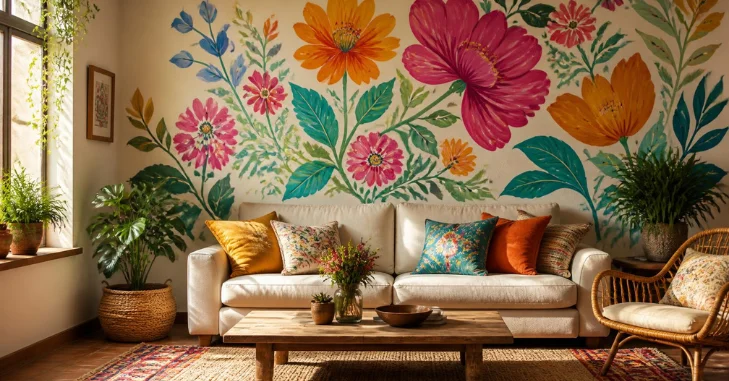
The wall behind a sofa already anchors most living room layouts. A deeper color can strengthen that focal point without changing your furniture. Navy, forest green, warm brown, and muted terracotta can work well with neutral seating.
Choose a color connected to something already inside the room. A rug, pillow, artwork, or curtain can provide that connection. This approach makes the contrast feel deliberate instead of random.
2. Create a Bedroom Wall Behind the Headboard
The headboard wall is usually the easiest bedroom surface to emphasize. Paint can frame the bed and make a simple furniture arrangement feel more complete. Wallpaper or molding can produce a stronger architectural effect.
Keep bedding patterns in mind before choosing the finish. Busy bedding usually pairs better with a quieter wall treatment. Solid bedding gives you more freedom with prints and textured surfaces.
3. Add Vertical Wood Slats
Vertical wood slats bring warmth and rhythm to plain drywall. Their long lines can also make a standard ceiling feel taller. Light oak suits airy rooms, while walnut creates a darker, moodier appearance.
Use slats across the complete focal wall for greater impact. A smaller section can instead frame a television, desk, or bed. Similar wall treatments also pair naturally with Readixt’s guide to pony wall design ideas.
4. Use Board and Batten for Architectural Detail
Board and batten creates dimension without demanding a bold color. You can paint the trim and wall in one shade for a unified appearance. Contrasting colors create a more decorative result.
This treatment fits bedrooms, dining rooms, entryways, and home offices. Measure carefully before attaching the vertical pieces. Consistent spacing usually matters more than complicated trim profiles.
5. Try a Moody Paint Color
Dark paint can make a focal wall feel grounded rather than gloomy. The result works especially well behind light furniture or natural wood. Good daylight also helps rich colors show their undertones.
Current designer coverage continues to feature deeper, nature-inspired colors alongside textured neutral walls. Test a large sample during morning and evening light. Small paint chips rarely reveal how a color behaves across an entire wall.
6. Install Peel-and-Stick Wallpaper
Removable wallpaper offers pattern without the commitment of traditional installation. It works especially well for renters or people who change decor frequently. Geometric, botanical, striped, and mural-style designs provide many visual directions.
Check the manufacturer’s surface requirements before installation. Some removable products adhere poorly to heavily textured walls. Starting with a clean and dry surface also improves alignment.
7. Turn Wallpaper Into a Mural
Large-scale wallpaper can create the effect of commissioned wall art. Landscapes, botanical scenes, abstract shapes, and oversized florals work particularly well. The pattern becomes the room’s primary decorative feature.
Keep nearby artwork limited when the mural already carries strong detail. Simple furniture lets the wall remain visually dominant. Mural-style wallpaper also appears among current feature-wall approaches.
8. Frame the Fireplace
A fireplace already creates a natural center in many living rooms. Extending tile, plaster, stone, or contrasting paint upward emphasizes that architecture. The surrounding treatment can also visually connect the fireplace with higher ceilings.
Choose materials that suit the fireplace type and required clearances. Heat-related installation rules vary by appliance and material. Follow manufacturer instructions when working close to a firebox or vent.
9. Build a Gallery Feature Wall
A gallery arrangement can become an accent without changing the wall surface. Combine framed photographs, art prints, drawings, and meaningful objects. Repeating frame colors can keep a varied collection looking organized.
Lay the arrangement on the floor before installing hardware. Maintain reasonably consistent spacing between pieces. This simple planning step prevents the display from spreading unevenly across the wall.
10. Add Picture-Frame Molding
Picture-frame molding adds traditional character to modern drywall. Rectangular trim sections create shadow lines that remain visible with neutral paint. The technique works particularly well in bedrooms and dining areas.
Paint the trim and wall together for a restrained look. A darker color can make the molding more noticeable without adding another material. Keep the rectangle proportions related to nearby doors and furniture.
11. Try a Limewash-Inspired Finish
A softly mottled finish gives flat walls more movement. Warm beige, clay, gray, and muted green can create an understated backdrop. The subtle variation works particularly well with simple contemporary furniture.
Practice the technique on a sample board first. Application methods affect the finished pattern and color depth. Follow the coating manufacturer’s preparation requirements before applying the final finish.
12. Use Tile Beyond the Backsplash
Tile can turn a kitchen or bathroom wall into an architectural feature. Glazed ceramic, stone-look porcelain, and patterned tile each produce different effects. Tile also makes sense where the surface must handle frequent moisture or cleaning.
Think about grout color as part of the design. Contrasting grout emphasizes the pattern, while matching grout creates a quieter surface. For more substantial wall projects, Readixt also covers spray foam insulation costs for renovation planning.
13. Create a Two-Tone Painted Wall
Two paint colors can provide structure without adding trim. A horizontal division can imitate the visual effect of wainscoting. Vertical blocks can instead define a desk, reading chair, or dining zone.
Keep the dividing line connected to something in the room. A headboard, shelf, window, or chair rail provides a useful reference point. Painter’s tape and careful measuring are essential for a clean boundary.
14. Make the TV Wall Feel Intentional
A television often becomes a focal point whether you plan for it or not. Framing it with wood, darker paint, shelving, or cabinetry makes the placement look considered. The treatment can also reduce the empty-wall effect around a large screen.
Avoid adding too many competing decorations beside the television. Use a limited material palette and simple storage. This keeps cables, devices, and accessories from becoming the strongest visual elements.
15. Create a Renter-Friendly Fabric Wall
Fabric can introduce pattern and softness without permanent construction. A large textile, quilt, or decorative hanging can cover substantial wall space. It also moves easily when your lease ends.
Use appropriate removable hardware for the textile’s weight. Follow your lease rules before attaching anything to walls. Renters should also confirm property restrictions before using adhesives or making holes.
How to Choose Among Accent Wall Ideas
Start by identifying the room’s strongest existing focal point. That might be the bed, fireplace, sofa, dining table, or entertainment area. Your feature wall should support that focal point instead of creating a second competing center.
Next, consider how permanent you want the project to be. Paint and removable wallpaper suit faster changes. Tile, millwork, wood cladding, and built-ins require more planning and commitment.
Finally, compare samples with your existing finishes. Flooring, cabinets, upholstery, and natural light can change how a wall treatment appears. Evaluate the combination as a complete room rather than choosing the wall independently.
Match the Treatment to the Room
Living rooms can usually handle stronger texture because they contain larger furniture pieces. Bedrooms often benefit from calmer treatments behind the bed. Kitchens and bathrooms need finishes that suit cleaning and moisture conditions.
Home offices offer more freedom for personal color. Dining rooms can handle decorative molding or expressive wallpaper. Entries work well with durable paint, paneling, or a compact gallery arrangement.
Common Accent Wall Mistakes to Avoid
Choosing a random wall is the most common design mistake. The wall should already have a reason to attract attention. An arbitrary color change can make the room feel divided instead of coordinated.
Using too many competing materials can cause another problem. A patterned rug, dramatic curtains, bold wallpaper, and colorful artwork may fight for attention. Decide which feature deserves priority and simplify the others.
Poor preparation can also affect the finished result. Paint reveals holes and uneven patches, while wallpaper exposes alignment problems. Repair, clean, measure, and sample before beginning the visible work.
Frequently Asked Questions
What accent wall ideas work best in a living room?
Paint, wood slats, fireplace treatments, molding, and wallpaper all suit living rooms. Start with the sofa, fireplace, or television wall. Choose the surface that already anchors the seating arrangement.
Are accent walls still in style in 2026?
Designers continue using feature walls, but current examples extend beyond one brightly painted surface. Wallpaper, plaster effects, wood, stone, and architectural paneling add texture and depth. Recent design roundups show these treatments across bedrooms and living areas.
Should an accent wall be lighter or darker?
Either approach can work when it supports the room. Darker shades often create stronger contrast and visual depth. Lighter textured finishes can produce a quieter focal point in compact spaces.
Which wall should be the accent wall?
Choose the wall your eye naturally notices first. Common choices sit behind a bed, sofa, fireplace, dining table, or media console. Existing architecture usually provides a better guide than room shape alone.
Can a small room have a feature wall?
Yes, but control the amount of visual contrast. A rich paint color can add depth without using floor space. Smaller patterns or simple molding can also add interest without overwhelming the room.
Give One Wall a Clear Purpose
A successful feature wall does more than add color. It helps organize the room, reinforce a focal point, and connect existing furniture. The finish should feel like part of the room rather than a separate decoration.
Begin with the surface you naturally notice first. Test your material beside the flooring, furniture, and lighting before committing. Then choose the simplest treatment that creates the effect you want.